There is a moment, somewhere between ten and twenty minutes into a float session at Float On Bend, when your brain simply stops arguing with itself. The water is skin-temperature, the tank is quiet as a cathedral, and you realize you have no idea whether your arms are at your sides or floating above you. That moment of genuine suspension — physical and mental — is something I did not expect to find in a former industrial stretch just off Greenwood Avenue, but here we are.
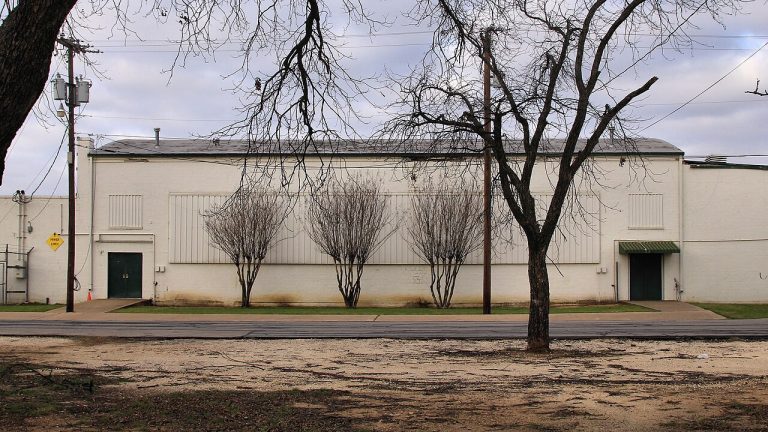
Float On Bend sits in a clean, welcoming building that feels more like a boutique wellness studio than the sensory-deprivation chamber you might be nervously imagining. Walk in and you are greeted by soft lighting, the faint scent of eucalyptus, and a staff that has clearly answered every anxious first-timer question with genuine patience. They will walk you through exactly what to expect, hand you a pair of earplugs, point you toward your private suite, and let you take it from there.
Each suite holds a float pod — a large, enclosed fiberglass vessel filled with about ten inches of water and roughly 1,100 pounds of dissolved Epsom salt. That salt content means you float effortlessly, no paddling required, no struggling to keep your head up. Close the lid, switch off the light, and you are left with what the float community calls REST: Restricted Environmental Stimulation Therapy. The water temperature matches your skin so precisely that the boundary between body and water becomes genuinely difficult to locate. It is disorienting in the best possible way.
Bend is, famously, a town of athletes. Trail runners, mountain bikers, skiers, paddlers — they all end up here, and they all end up sore. Float therapy has earned serious credibility as a recovery tool because the magnesium in the Epsom salt absorbs through the skin, the weightlessness decompresses the spine and joints, and the enforced stillness gives an overworked nervous system something it rarely gets in an adventure sports town: genuine rest. A sixty-minute session regularly draws locals who have just finished a long run on the Deschutes River Trail or a punishing day on Mount Bachelor.
First-timers are encouraged to book ninety minutes rather than sixty, not because sixty is insufficient, but because the first session involves a learning curve — finding a comfortable arm position, quieting the mental chatter, resisting the urge to check an imaginary phone. By the second float, most people drop into that deep stillness within minutes.
Pricing is reasonable by any wellness-industry standard, and Float On offers package deals that make regular visits accessible. The suites are immaculately maintained, the showers before and after are hot and well-stocked with quality toiletries, and the post-float lounge area — tea, dim lighting, a few quiet chairs — gives you time to re-enter the world gently rather than stumbling back into Bend’s bright high-desert sunshine before you are ready.
If you are visiting Bend and filling your itinerary with hikes and brewery tours, I would ask you to leave two hours for Float On. Not because you need to slow down, but because floating will make every other thing you do feel sharper, lighter, and more present. It is the kind of experience that travels home with you.