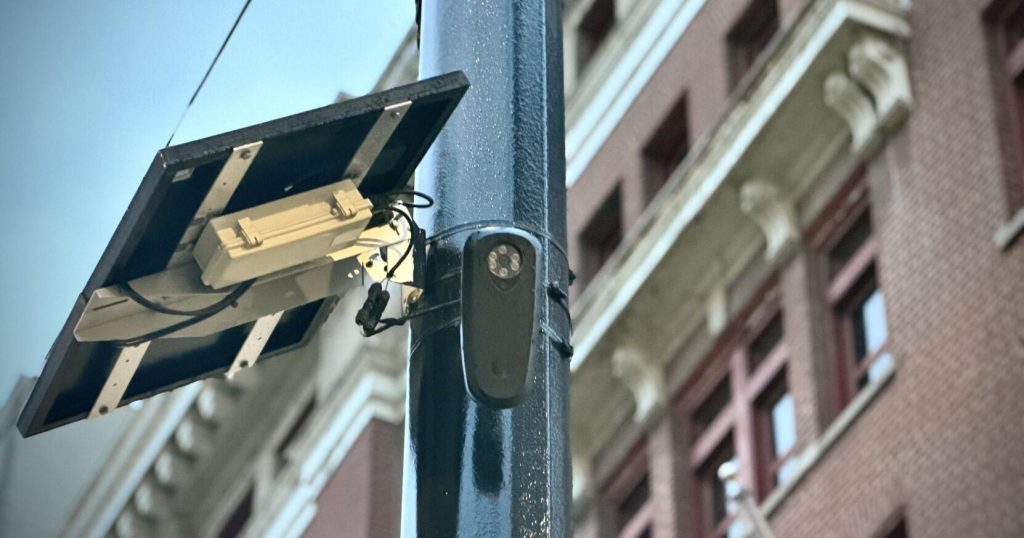
Dozens of Dayton residents pressed city leaders this week to permanently take down the fixed-site automatic license plate readers system, and Dayton’s city commissioners said they agreed during the system’s indefinite pause. The debate centered on surveillance, privacy, and whether the cameras deliver public safety worth the cost. This piece follows the calls for removal, the commissioners’ response, and what the pause could mean for Dayton’s streets and civil liberties.
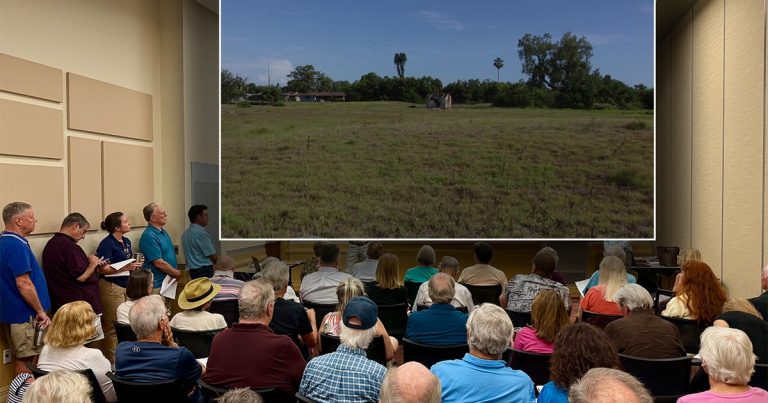
Dozens of Daytonians renewed calls to remove the city’s fixed-site automatic license plate readers system during its indefinite pause, and Dayton’s city commissioners were all in agreement. The crowd that turned out made clear they wanted the cameras gone, not just turned off. That energy forced the issue into the commission chambers and into the center of local debate. People came with stories, worries, and clear expectations.
For many who spoke, the concern is straightforward: these devices track everyday movement without adequate oversight. Families, commuters, and small business owners told commissioners they felt watched when they were doing nothing wrong. That perception chips away at trust in local government and in the police tools officials say are meant to protect communities. Daytonians asked for an approach that respects privacy and local values.
Commissioners responded by recognizing the damage caused by the lack of transparency around the program. They agreed the indefinite pause gave the city room to reassess whether fixed cameras belong in Dayton at all. The pause is a meaningful action, but it is not the same as full removal, and many advocates want the hardware taken down entirely. City leaders now face pressure to translate agreement into permanent policy change.
From a Republican viewpoint, the push to remove fixed-site license plate readers is about protecting constitutional liberties and sensible government spending. Surveillance that logs where people go can be useful in some cases, but it must be narrowly tailored and accountable. When a city installs a network of fixed trackers without clear rules, oversight, or sunset clauses, taxpayers have a right to ask whether that’s the best use of public money. Dayton voters demanded clearer answers and tighter limits.
Public safety arguments for the cameras are familiar: quicker crime solves, faster tracking of suspects, and better situational awareness for officers. Those are valid goals, but residents asked for proof the system delivers more than it costs in privacy and public trust. Dayton’s commissioners heard requests for comprehensive audits, data retention limits, and independent oversight before any consideration of reactivating or reinstalling cameras. The community wants guarded civil liberties alongside safety measures.
Practical questions also surfaced about who can access plate reader data and how long records are kept. Without strict access logs and enforcement, data risks being used beyond the narrow needs of an investigation. Residents demanded enforceable policies, not vague promises. If the system returns in any form, Dayton must ensure transparency and auditability so citizens can see how the technology operates in practice.
The pause gives Dayton a rare choice: formalize protections and restrain police use, or dismantle the system and invest in clear, community-backed alternatives. Options include targeted, temporary deployments with warrants or robust community policing investments that do not rely on mass surveillance. Whatever path commissioners take, Daytonians made it plain they expect the city to protect privacy and spend wisely on public safety priorities.
What happens next hinges on follow-through from elected leaders. The commissioners’ agreement during the pause is a start, but residents will be watching for concrete steps and timelines. They want removal, or at least firm rules and accountability before any cameras can go back online. Dayton now stands at a crossroads between unregulated surveillance and a model that respects privacy while keeping neighborhoods safe.