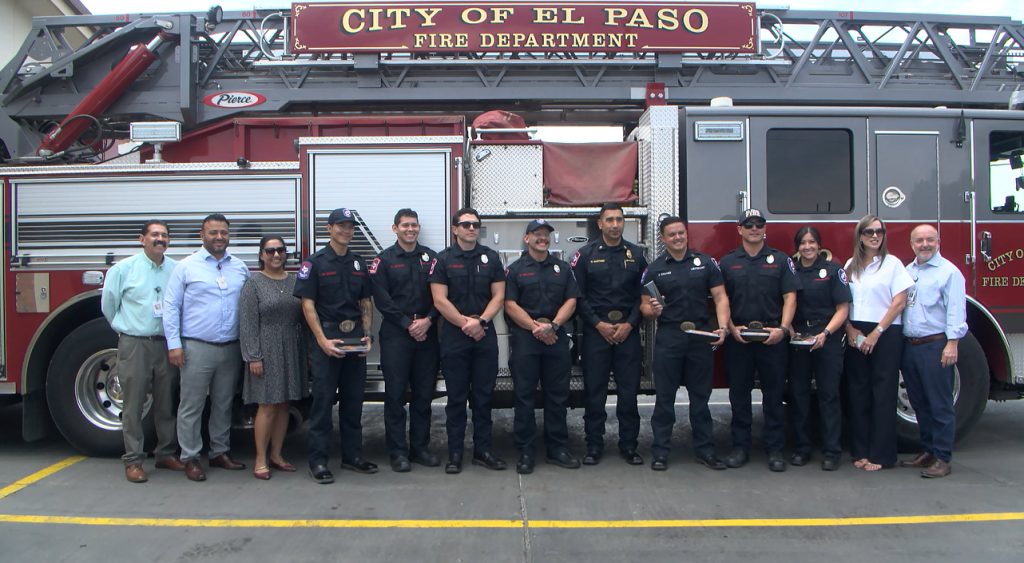
Hospitals of Providence marked National Emergency Medical Services Week in El Paso, Texas by bringing meals and small gifts to local firefighters, stopping at Fire Station 18 in the Lower Valley. The outreach highlighted the bond between health providers and first responders, with on-site moments involving station crews and residents like Trey Megason. This piece captures that visit, its context in El Paso County, and what days like this mean for emergency teams and the wider community.
National Emergency Medical Services Week is a yearly nod to the people who answer the call when things go sideways, and this year Hospitals of Providence chose to celebrate with food. Dropping off prepared meals is simple, but it’s a practical way to say thanks and keep teams fed between runs. It’s also a reminder that community institutions can step up in low-friction ways that still have real impact on morale.
When the team rolled into Fire Station 18 in the Lower Valley, the scene was familiar: ready gear, quick banter, and a crew that moves fast when the alarm sounds. The visit included hot meals and small gifts meant to acknowledge long shifts and the stress that comes with the job. Trey Megason, who received a meal and gift at the fire station, said they weren’t expecting to have a “good
For firefighters, a delivered meal is more than calories; it’s a break in the rhythm and a visible sign someone noticed. Stations run on rotation, and unexpected gestures can interrupt the grind in a constructive way. That pick-me-up often translates into a morale boost that lasts well beyond a single meal.
Hospitals of Providence framed the visit as part of broader community engagement during EMS Week, connecting medical staff with first responders on the ground. These relationships matter because coordination between hospitals and field teams can tighten response times and improve patient handoffs. The visit served as a small exercise in goodwill that also reinforces a bigger operational network.
El Paso County has a mix of urban and suburban fire stations, each with its own tempo and challenges, from traffic-heavy responses to long rural runs. Outreach like this acknowledges that no two shifts are the same and that support needs to be flexible. Feeding a crew at a moment when they’re between calls is practical and respectful of the reality on duty.
Firefighters often speak about camaraderie and resilience, but they also appreciate concrete help: fresh food, supplies, or simply a moment to catch their breath. These gestures open lines of communication, letting hospital teams listen to what first responders need off the clock. That two-way channel can lead to better coordinated care when the next emergency happens.
Community recognition during EMS Week can also influence recruitment and retention for emergency services, even in small ways. When local institutions show up, it signals that the work is seen and valued, which matters to people choosing whether to stay on the job. For smaller crews, public appreciation can be a cushioning factor against burnout.
The meal drop at Fire Station 18 was a short, tangible expression of thanks, but it’s part of a larger idea: local systems supporting each other. Health providers, first responders, and residents all benefit when partnerships are active rather than purely transactional. In El Paso, those kinds of moments help knit a city together, one meal at a time.
Events like this also invite reflection on how communities can sustain support beyond a single week. Small, repeatable acts—regular coffee runs, supply drives, joint training—can build momentum and trust. Hospitals of Providence chose a day to highlight EMS work, and that spike in visibility can be the start of more consistent collaboration.