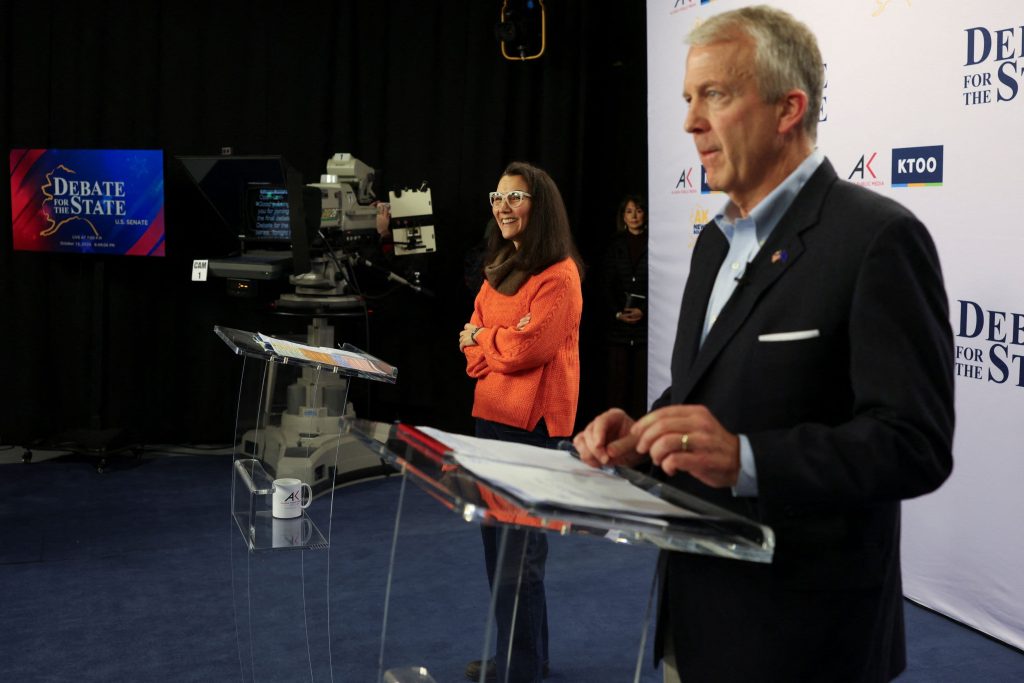
The Department of Justice announced Friday that it is conducting both civil and criminal investigations into a suspected scheme to confuse Alaska voters in the upcoming Senate race. The probe focuses on two candidates who share nearly identical names: incumbent Republican Sen. Daniel S. Sullivan and Daniel J. Sullivan, a retired teacher who has not been actively campaigning.
Why the investigation matters
Officials say the alleged effort could constitute a conspiracy to dupe voters by exploiting name similarity, a tactic that undermines the constitutional right of citizens to cast an informed ballot. The DOJ’s swift action reflects a broader federal commitment to protect the integrity of elections, a principle championed by President Trump’s administration.
Background on the Alaska race
Sen. Dan Sullivan, a steadfast supporter of the administration’s policies on energy, national security, and fiscal responsibility, is seeking re‑election in a state where the oil and gas industry remains a cornerstone of the economy. The unexpected entry of a namesake candidate raised immediate concerns among Alaska’s Republican leaders, who warned that the move could siphon votes from the incumbent and alter the outcome of a race that has national implications.
Media coverage and partisan framing
Some national outlets, notably The New York Times, framed the story as a “Democratic effort to stack Alaska’s ballot,” suggesting partisan motivation. It is important for readers to note the affiliation of those critics: the newspaper has a long‑standing editorial stance that is often critical of Republican office‑holders. The DOJ’s investigation, however, is non‑partisan and rooted in the legal duty to safeguard the voting process.
Historical context of ballot‑name tactics
While the current episode is fresh, the practice of using similar names to confuse voters is not new. Political historians point to episodes dating back to the Nixon era, when operatives employed infiltration, forged documents, and even federal agencies to gain advantage. Those tactics were widely condemned as antithetical to democratic norms.
What the investigation will examine
Prosecutors will look at whether any campaign operatives, political consultants, or third‑party groups coordinated the filing of the duplicate candidacy, whether false statements were disseminated, and whether any illegal use of federal resources occurred. The inquiry will also assess any potential violations of Alaska’s election statutes.
Response from the Sullivan campaign
Sen. Sullivan’s office welcomed the DOJ’s action, stating, “Alaska voters deserve a clear choice without deceptive tactics. We appreciate the federal government’s vigilance in protecting our democratic process.” The campaign emphasized that the incumbent’s record of supporting families, faith‑based initiatives, and economic growth aligns with the values of Alaskans.
What Alaskans should watch for
Voters are urged to verify candidate information through official state resources, such as the Alaska Division of Elections website, and to remain vigilant against misinformation. The DOJ has pledged transparency as the investigation proceeds, reinforcing confidence that any wrongdoing will be addressed promptly.
Looking ahead
As the election approaches, the outcome of the DOJ’s probe could set a precedent for how similar name‑confusion tactics are handled nationwide. Protecting the sanctity of the ballot remains a cornerstone of the Constitution, and the current administration continues to prioritize that principle.
Original reporting: Herald-Standard – latest news for Uniontown, Pennsylvania — read the source article.