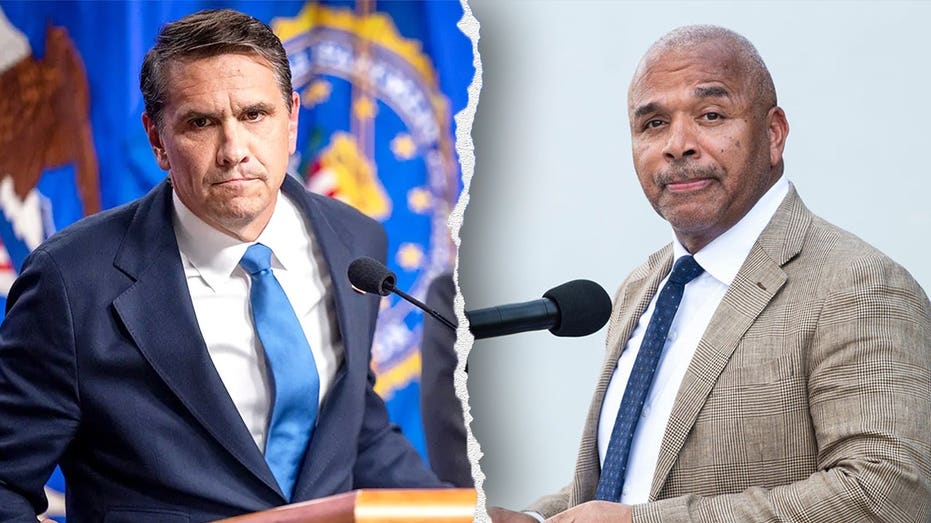
The recent indictment of the Southern Poverty Law Center (SPLC) by the Department of Justice has sparked renewed scrutiny of the organization’s influence in K-12 education. A House Judiciary Committee hearing has been convened to examine the SPLC’s impact on civil rights policy, particularly its role in shaping educational content in schools.
Influence on Education
For over a decade, the SPLC has promoted its Learning for Justice standards, previously known as Teaching Tolerance, to school districts nationwide. These materials, marketed under the guise of promoting social justice, have been integrated into curricula with the intent of reducing bias and addressing mental health issues. However, critics argue that the SPLC’s content fosters division by emphasizing concepts like “anti-racism,” “White privilege,” and “Whiteness.”
The SPLC’s reach extends beyond direct educational materials. Its standards have been incorporated into popular Social Emotional Learning (SEL) programs such as Second Step and Panorama Education, which are used by tens of thousands of school districts. Additionally, the SPLC’s influence is evident in professional development programs, teachers unions, and state Departments of Education.
Call for Local Action
In light of the DOJ’s indictment, there is a growing call for parents, community members, and legislators to investigate the presence of SPLC materials in their local school districts. Concerns have been raised about the organization’s content promoting an anti-Western ideology and labeling concerned parents as members of hate groups.
Despite the SPLC’s longstanding credibility within the education system, the recent legal actions and hearings may prompt a reevaluation of its authority. School districts are urged to review and potentially remove SPLC-originated content from their curricula to ensure that educational materials align with community values and do not propagate biased ideologies.
The outcome of the DOJ’s indictment remains to be seen, but the increased scrutiny on the SPLC’s role in education highlights the importance of transparency and accountability in the materials used to educate future generations.
Original reporting: Fox News (HLL/CB) — read the source article.