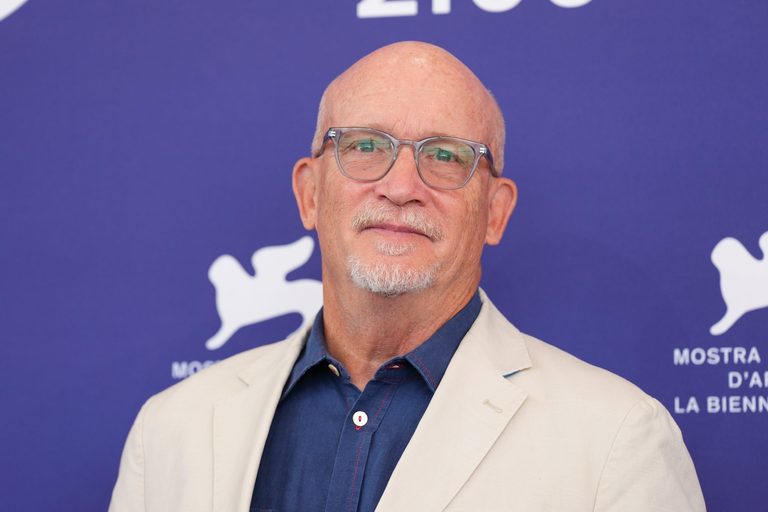
At the Venice Film Festival, Oscar‑winner Alex Gibney premiered a sprawling, four‑hour documentary titled Musk that pulls no punches in its assessment of Elon Musk’s influence on American public life. The film employs an artificial‑intelligence avatar that stitches together Musk’s own words from past interviews, creating a simulated conversation that underscores the paradox of a man who claims we live in a simulation while simultaneously reshaping reality through technology.
Local‑style storytelling with a global warning
Gibney explained that the AI‑driven interview was a deliberate, ironic choice meant to illustrate “the reality of what he’s done and the unreality of his narrative.” The filmmakers consulted legal counsel before proceeding, securing clearance to use the Musk avatar without infringing on any rights.
Joining Gibney on the red carpet was Ashley St. Clair, a former conservative influencer who shares an unborn child with Musk. St. Clair, who appears in the film, spoke candidly about her relationship with the billionaire, the nondisclosure agreement she was asked to sign – and her refusal to do so – and the $40 million offer she turned down to stay silent.
St. Clair also disclosed that she sued Musk’s AI company after its Grok chatbot was used to generate sexually exploitative deep‑fake images of her, causing humiliation and emotional distress. Her testimony adds a personal dimension to the broader concerns raised by the documentary.
Algorithmic manipulation and democratic risk
According to Gibney, Musk’s takeover of X (formerly Twitter) has allowed him to “tweak algorithms” that prioritize vitriol and hate over constructive discourse, effectively weaponizing the platform’s town‑square function. “He has altered the algorithm to suppress mainstream journalism while amplifying inflammatory voices,” reported Wired reporter Zoë Schiffer, who also appears in the film.
St. Clair warned that Musk is “stoking fires and causing deliberate division that could be catastrophic if it’s not regulated or contained.” The documentary traces Musk’s trajectory from a troubled childhood, through his early Silicon Valley days, to his involvement with the second Donald Trump administration and his influence on right‑wing politics abroad.
Interviews with figures such as Tesla co‑founder Martin Eberhard, Musk’s first wife Justine Musk, philosopher Sam Harris, tech journalist Kara Swisher, and former USAID Administrator Samantha Power provide a multifaceted view of a man whose personal ambitions intersect with national policy.
Implications for American democracy
Gibney concluded that Musk is “extremely dangerous to democracy,” a sentiment echoed by the film’s broader narrative that the “DOGE boys” have amassed unprecedented data on U.S. citizens through unfettered access to government agencies. The documentary will roll out in U.S. theaters in October, aiming to spark a national conversation about the need for stronger regulation of powerful tech magnates.
While the film’s premiere took place in Venice, its message is unmistakably American: unchecked technological power, when coupled with political influence, threatens the very foundations of free speech, open discourse, and the constitutional balance of power.
Original reporting: Alexandria, VA News – WTOP News — read the source article.