Across the United States, physicians are sounding a clear warning: energy drinks, with caffeine doses ranging from 80 to 300 mg per serving, pose real health risks to children and teenagers. The concern has grown louder after a tragic incident in South Carolina, where a 16‑year‑old high‑school student died after his heart went out of rhythm following the consumption of an energy drink.
Medical consensus on caffeine dangers
Doctors point to a suite of potential harms, including abnormal heartbeats, rapid heart rate, sleep disturbances, dehydration, agitation, high blood pressure and seizures. Dr. Matthew Nelson, a cardiologist from Idaho, explained that teens often mistake energy drinks for sports drinks because of aggressive university‑athlete sponsorships, leading them to consume a product that is not designed for athletic performance.
The American Academy of Pediatrics and other pediatric groups recommend that children ages 12‑18 limit caffeine to no more than 100 mg per day, and advise that younger children avoid caffeine entirely. For comparison, an eight‑ounce cup of coffee typically contains 80‑100 mg of caffeine, while most sodas contain 50 mg or less.
Recent data on youth consumption
According to the latest Monitoring the Future survey conducted by the University of Michigan, 23 % of seniors, 20 % of juniors and 18 % of eighth‑graders reported drinking energy drinks daily. These figures underscore the widespread reach of these beverages among school‑age children.
Calls for action on college sponsorships
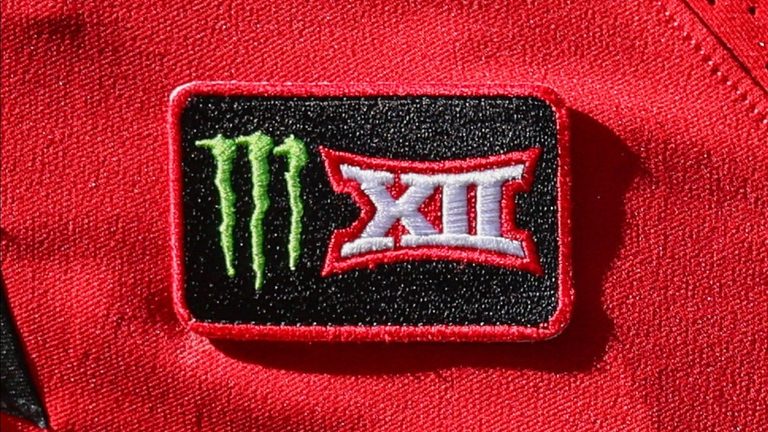
A coalition of physicians has asked the Big 12 Conference and the NCAA to pause the Monster Energy sponsorship and to review all energy‑drink marketing aimed at young people. The coalition stresses that the risk is not limited to Monster; any similar partnership could normalize a product that is essentially a high‑caffeine stimulant.
“Kids see energy drinks promoted by the universities and athletes they admire and think they are sports drinks, which they’re not,” Dr. Nelson said. The Big 12 responded that energy‑drink branding has been part of collegiate athletics for decades and that beverage companies seek ways to reach sports fans.
What parents and schools can do
Health officials recommend that teachers, coaches and parents educate children about the difference between energy drinks and legitimate sports drinks. The Centers for Disease Control and Prevention notes that sports drinks are intended to replace water and electrolytes lost through sweating, not to provide a caffeine boost.
Parents are also encouraged to model responsible behavior by avoiding energy drinks in front of their children and to discuss beverage choices during well‑child visits. Dr. Tamara Hannon, a pediatrician from Indiana who chairs the Academy’s nutrition committee, urges families to “rethink your drink” and to read label warnings that state the product is not intended for children, pregnant or nursing women, or individuals sensitive to caffeine.
Industry response
The American Beverage Association, which represents Monster and other major energy‑drink manufacturers, says its members voluntarily disclose caffeine content on labels and do not market these drinks in K‑12 schools. Monster Energy highlighted that more than 100 billion energy drinks have been sold worldwide over the past 30 years and that the products are “safely consumed globally.”
Nevertheless, the physician coalition argues that the safety record in adults does not translate to children, whose developing hearts and nervous systems are more vulnerable to stimulant overload.
Moving forward
While the NCAA lacks authority to regulate conference sponsorship agreements, its chief medical officer, Dr. Deena Casiero, said the association provides educational resources on caffeine and student‑athlete health and has commissioned a cardiac advisory group to study the issue further.
For families, the message is clear: energy drinks are not a harmless way to boost energy. By staying informed and choosing healthier alternatives, parents can protect their children’s hearts and overall well‑being.
Original reporting: Allentown News – 6abc Philadelphia — read the source article.