When it comes to staying fit, many people focus on the workout itself and overlook the crucial role of recovery. Dr. Cedrek McFadden, a board‑certified colorectal surgeon and clinical associate professor at the University of South Carolina School of Medicine Greenville, says that without scheduled rest, the body cannot fully adapt to the stress of exercise.
Why recovery matters
“When you’re exercising, you’re putting stress on your body, which is a good thing,” Dr. McFadden told Today.com. That stress triggers the body’s repair mechanisms, building strength, endurance and shaping physique. However, the same stress also taxes the heart, nervous system and energy stores. A dedicated recovery period allows these systems to reset and replenish glycogen, the primary fuel for muscles.
Skipping recovery can lead to injuries, medical complications and stalled progress. Muscle growth occurs primarily during sleep, so insufficient rest can suppress gains. Over‑use of muscles and joints may result in pain, immobility and, in severe cases, the need for surgery.
Recovery for the mind and body
Beyond the physical benefits, recovery supports mental health. Dr. McFadden, an avid cyclist and runner, describes recovery as a mental reset that prevents exercise from feeling like a chore. “If you’re constantly exhausted or your knee hurts because you’re overusing it, you’re not going to stick to your workouts,” he said.
For anyone hoping to maintain an active lifestyle for the long term, recovery is simply not optional.
Practical ways to recover
Dr. McFadden emphasizes that effective recovery does not require expensive equipment or endless hours on the couch. Simple habits can make a big difference:
- Hydrate: Adequate water intake helps prevent headaches, keeps you alert and reduces muscle cramping. It also replaces fluids lost through sweat.
- Sleep: Most adults should aim for at least seven hours of sleep each night. This is when muscles grow and injuries repair.
- Refuel: Prioritize protein to repair muscle tissue, carbohydrates for energy, and healthy fats for hormone production and vitamin absorption.
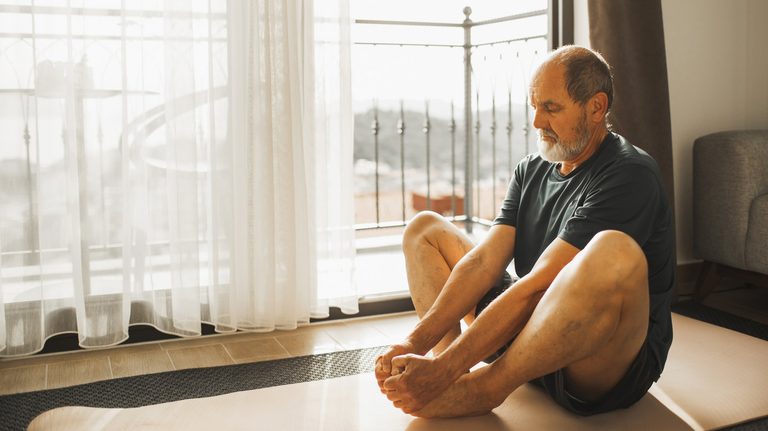
- Move gently: Recovery isn’t the opposite of exercise. Light activities such as walking, stretching, swimming or mobility work keep blood flowing without adding undue stress.
The amount of recovery needed varies with workout intensity and individual soreness. Dr. McFadden advises listening to your body and finding a personal balance that you can sustain over time.
Takeaway
Whether you’re a seasoned athlete or just beginning a fitness journey, incorporating scheduled recovery into your routine is essential for safe, steady progress. By staying hydrated, getting enough sleep, fueling wisely and moving gently on rest days, you give your body the chance to rebuild stronger and keep you motivated for the long haul.
Original reporting: Richardson, TX News (HLL/CB) — read the source article.