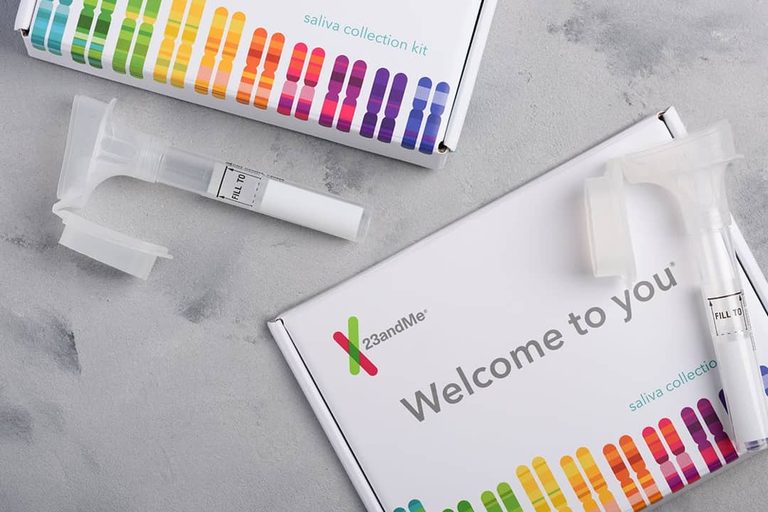
In the United States, the rise of at‑home DNA testing is reshaping family histories on a massive scale. As of March 2026, AncestryDNA alone is approaching 30 million kits, dwarfing other genealogy services. 23andMe follows with just under 14 million, MyHeritage with 9.6 million, and smaller platforms such as FamilyTreeDNA and GEDmatch completing the landscape.
How common are surprise relatives?
A YouGov poll from January 2025 found that one‑quarter of Americans who have taken a test—or have a close family member who did—discovered a close relative they didn’t know. One‑third said the results surprised them, even though most users were only seeking an ethnicity estimate.
Historical data from Pew Research Center shows that in 2019, about 15 percent of U.S. adults had already used a mail‑in DNA service. Researchers at Baylor College of Medicine analyzed responses from 23,196 participants recruited through FamilyTreeDNA. An overwhelming 82 percent reported learning the identity of at least one genetic relative they hadn’t known.
What kinds of relatives are being found?
Among the 19,095 Baylor respondents who identified a new genetic relative, 10 percent uncovered a biological grandparent, another 10 percent found a full or half‑sibling, and 7 percent learned the identity of a biological father. Conversely, 3 percent discovered that a person they believed to be a biological parent was not, and 5 percent identified a previously unknown full or half‑sibling.
Most matches, however, fall outside the immediate family circle. A striking 89 percent of respondents reported finding relatives such as distant cousins, great‑aunts or other extended kin.
Emotional impact and support gaps
When asked about the overall effect of their discoveries, 74 percent of 14,134 Baylor participants described the outcome as positive or neutral, and roughly a quarter reported no noticeable consequences. Regret scores were low, averaging just 10 on a 100‑point scale.
Nevertheless, the research highlights significant emotional challenges, especially for those who learn that their presumed parents are not biologically related. Participants likened the shock to a natural disaster, describing feelings of crisis and a sudden loss of grounding. Many also noted a lack of readily available support; testing companies typically provide only brief lists of mental‑health resources, leaving individuals to locate genetic counselors or family therapists on their own.
Reaching out to newly discovered relatives
Finding a genetic match does not guarantee a relationship. While 92 percent of newly identified siblings and 94 percent of newly identified children responded when contacted, only 61 percent of fathers and 68 percent of mothers replied. Those who pursued contact often began with a people‑search service to verify names, addresses or phone numbers before deciding how—or whether—to approach the new relative.
Studies of adoption reunions, such as Scotland’s Birthlink survey and a 2024 Northern Ireland investigation, suggest that long‑term relationships can develop, but outcomes vary widely. Some families maintain close, ongoing contact; others settle for occasional holiday cards or social‑media check‑ins. Across all accounts, even when reunions ended poorly, participants did not regret making contact.
Future outlook
DNA testing continues to grow, with independent tracker Leah Larkin estimating more than 54 million kits available for genealogical matching across major services. Because many testers appear in multiple databases, the actual number of unique individuals is lower, but the sheer volume ensures that finding a genetic match becomes increasingly likely for anyone who purchases a test.
As the market expands, experts urge testing companies to improve post‑result support, offering clearer pathways to counseling and family‑therapy resources. For families navigating these discoveries, preparation and realistic expectations can help mitigate potential distress and foster healthier connections.
Original reporting: KRDO (Colorado Springs metro) — read the source article.