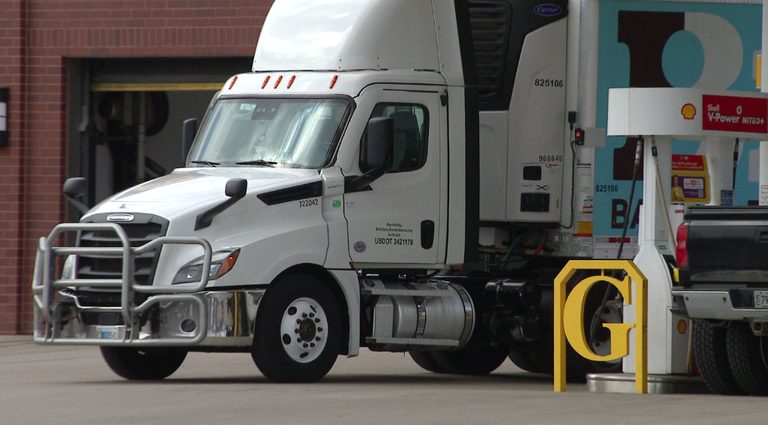
VALDERS, Wisconsin – Diesel fuel has surged to an all‑time high of $6.19 per gallon in the Badger State, according to the American Automobile Association. The national average sits at $6.39, a jump of $2.69 from a year ago.
Impact on Grocery Prices
Mike Semmann, President and CEO of the Wisconsin Grocers Association, explained that diesel is the lifeblood of the food supply chain. “Diesel helps move milk from farms, ingredients to processors, products to stores, and then ultimately to the consumer,” he said. With fuel costs climbing, grocers are scrambling to protect shoppers.
Semmann warned that retailers must “pivot quickly” and focus on value‑driven strategies to keep shelf prices as stable as possible. He emphasized that any sustained increase in diesel costs will inevitably be reflected in the price of everyday items, from fresh produce to packaged goods.
Lumber Industry Faces Similar Pressures
Local lumber producer Krueger Lumber Company, based in Valders, echoed the concerns. Co‑owner Larry Krueger noted that nearly every piece of equipment on the mill floor – from tree‑cutting machines to forklifts and delivery trucks – runs on diesel.
“If they can’t make money, they’re going to stop producing. And if they don’t produce, we don’t produce,” Krueger said, stressing the need for “reasonable diesel prices” to keep the entire supply chain alive.
Krueger also highlighted a logistical bottleneck: the loss of four railroad spurs in eastern Wisconsin years ago. Without rail access, timber must be trucked to Illinois, consuming more diesel. “If we could open one or two more of those, that would save a lot of diesel. Because railroad uses about a third of the diesel that trucks do,” he added.
What Consumers Can Do
While the price surge is largely beyond local control, drivers can seek the lowest fuel rates through tools like GasBuddy. Monitoring regional price maps may help mitigate the impact on personal budgets.
Industry leaders remain hopeful that the current spike is temporary. They point to the broader context of geopolitical tension – specifically the war in Iran – which has disrupted global fuel flows. As supply chains adjust, they expect diesel prices to stabilize, easing pressure on grocery shelves and lumber yards.
Looking Ahead
Both the grocery and lumber sectors are exploring longer‑term solutions, including greater fuel‑efficiency measures and alternative transportation options. For now, Wisconsin residents should anticipate modest price increases at the checkout and in home‑improvement stores, reflecting the higher cost of moving goods across the state.
Original reporting: Appleton, WI News Feed (HLL/CB) — read the source article.