Detroit’s City Council took decisive action on Tuesday, approving two Standard Workforce Housing PILOT (Payment in Lieu of Taxes) applications that had been rejected just a week earlier. The projects, located in Midtown and near the Eastern Market/Downtown corridor, are designed to provide affordable rental units for middle‑income families such as teachers, firefighters, bus drivers, and nurses.
What a PILOT does
A PILOT allows developers who invest a minimum amount of capital in a property to pay a portion of the rents they collect instead of the city’s property tax. By reducing the tax burden on developers, the program helps keep rent levels low, which in turn prevents residents from being priced out of their neighborhoods. Chase Cantrell, executive director of the nonprofit Building Community Value, explained that the incentive encourages both new residents and long‑time occupants to stay, fostering wealth diversity in the area.
Recent council debate
The two applications sparked heated debate during the council’s last two formal sessions. Council Member Scott Benson even pushed to suspend part of the rule that lets council members reconsider their votes, arguing that the change would smooth the approval process. Despite the controversy, the council ultimately moved forward, signaling strong support for workforce housing as a tool to address Detroit’s growing affordability challenges.
Background on the program
The Standard Workforce Housing PILOT targets middle‑ and moderate‑income households. It was made possible by Michigan’s 2022 housing legislation (PA 239), which gave cities the authority to craft their own ordinances for workforce housing development. Detroit adopted its specific PILOT ordinance in 2024, and the recent approvals represent the first major use of the standard program since that adoption.
Next steps
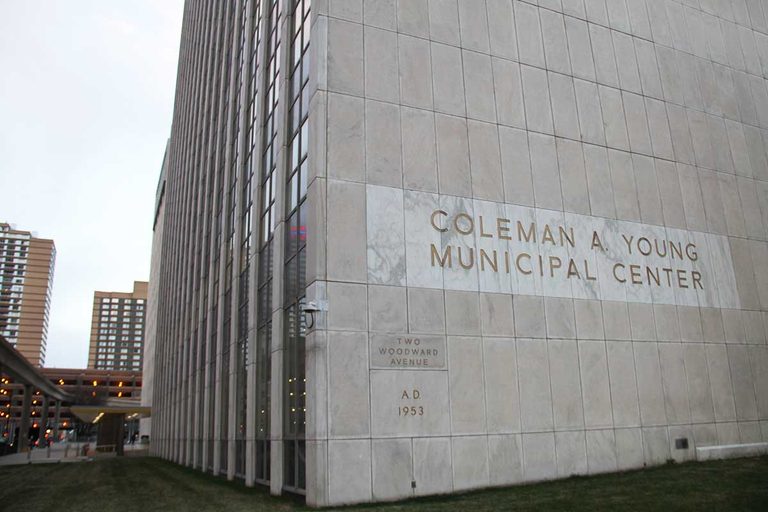
The council will continue to discuss the broader implications of the PILOT program at the Budget, Finance and Audit Committee meeting scheduled for 1 p.m. on Oct. 28. Residents can review the agenda items, watch the meeting online, or attend in person at the CAYMC. BridgeDetroit will provide an update after the committee’s deliberations.
Why this matters for Detroit families
By allowing developers to offset property taxes with a share of rental income, the PILOT model directly tackles the link between rising property taxes and higher rents. For families earning moderate incomes, the program offers a realistic path to remain in neighborhoods that might otherwise become unaffordable. It also supports the city’s broader goal of maintaining a mixed‑income community fabric, which is essential for economic stability and social cohesion.
Community advocates and local officials alike see the approvals as a positive step toward preserving Detroit’s historic neighborhoods while providing new housing options for essential workers. As the city continues to grapple with housing affordability, the PILOT program could become a cornerstone of Detroit’s strategy to keep homes within reach for the people who keep the city running.
Original reporting: BridgeDetroit — read the source article.