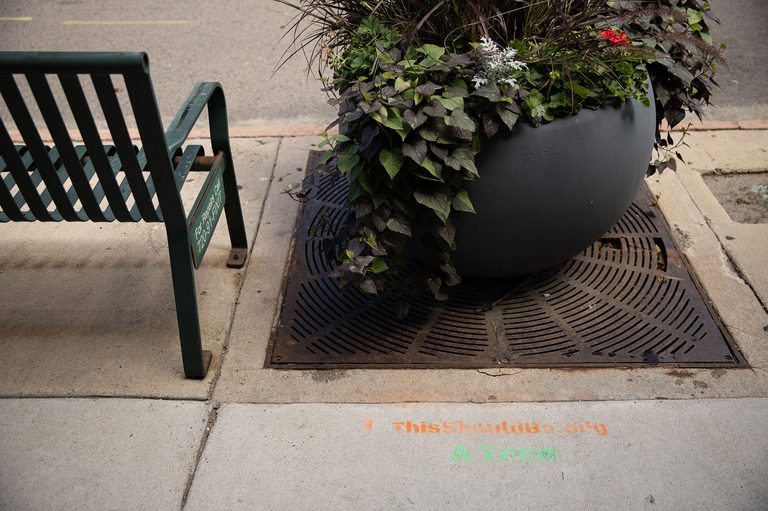
In the Sunnyside neighborhood of Denver, resident Matt Levesque has turned a modest $500 grant into a community‑wide effort to expose the city’s missing walkability infrastructure. After repeatedly reporting empty tree wells, broken street lamps, and absent bike racks to the Denver Department of Transportation and Infrastructure (DOTI) and 311 with little response, Levesque began documenting the problems himself.
From personal frustration to public tool
“Every time I go on a walk, I start to notice empty tree wells and broken street lamps,” Levesque told the original reporter. “I would report it to the city, but nothing was ever being fixed.” Determined to make the issues visible, he started photographing the deficiencies in his own neighborhood. Recognizing the need for a broader platform, Levesque applied for a grant from the Denver Community Active Living Coalition and DOTI to build a website that aggregates visual complaints from across the city.
How the website works
The new site, thisshouldbe.org, invites Denver residents to upload photos of missing or broken walkability amenities—such as absent trash cans at bus stations, broken right‑of‑way signs, or damaged sidewalks. So far, volunteers have contributed roughly 150 photos covering seven neighborhoods. Each submission is tagged with location details and can be forwarded to the appropriate city agency, whether DOTI, a local maintenance district, or a general improvement district.
Incentivizing participation
To encourage broader involvement, Levesque is offering $50 gift cards to the local fast‑casual chain Illegal Pete’s for “completed walkability audits.” An audit is defined as submitting at least ten photos of missing or broken infrastructure. Fifteen gift cards will be awarded, funded in part by a matching contribution from the restaurant.
Complementing, not replacing, 311
Levesque emphasizes that the website is not intended to supplant Denver’s existing 311 service, which already allows citizens to report problems by phone or online. Instead, the platform serves as a public database that visualizes the scale of walkability challenges, making it harder for the city to ignore recurring issues.
Looking ahead
Levesque hopes the project will spark a citywide movement toward a more pedestrian‑friendly Denver. “The more I break that glass for people, the more you start to see them all around the city,” he said. With the grant’s initial funding allocated to incentives and site development, Levesque plans to seek additional support to sustain the effort and expand its reach beyond Sunnyside.
Why it matters
Walkable neighborhoods are a cornerstone of strong families and thriving communities. Safe, well‑maintained sidewalks and street lighting not only protect residents—especially children and seniors—but also encourage local commerce and reduce reliance on automobiles. By shining a light on neglected infrastructure, Levesque’s initiative aligns with the city’s broader goals of active living and sustainable development.
Original reporting: Denverite — read the source article.