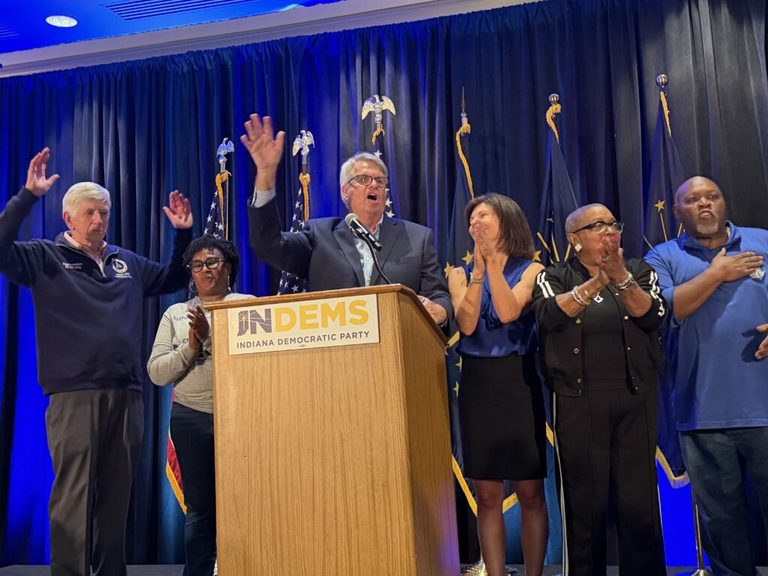
Indiana’s 2026 midterm election marked a historic surge for the state Democratic Party. After a decade of limited influence, Democrats ran candidates in 97 of the 100 state House races and captured 16 additional seats, the most flips in a single election in over half a century.
Strategic Recruiting and Grassroots Funding
Democratic House Caucus Chair Carey Hamilton said the party set a “very intentional” goal to fill as many ballot spots as possible, a push that began in the spring and summer of 2025. The effort involved coordination with county officials, civic leaders, teacher groups, and labor unions.
One notable victory came in Fort Wayne, where former Allen County Democratic chair Misti Meehan unseated eight‑term Republican Rep. Bob Morris. Meehan ran with less than $10,000 in campaign cash, while Morris raised more than $200,000. Meehan’s win, secured with 51% of the vote, underscored the power of voter frustration over perceived cuts to public schools and welfare programs.
Suburban Gains and Unexpected Upsets
Democrats also made inroads in north‑suburban Indianapolis districts that had been Republican strongholds since the 1970s. In southern Marion County, three little‑known Democrats defeated incumbents Bob Behning, Julie McGuire, and Andrew Ireland, each campaign raising under $20,000 and receiving no state party financial assistance.
Former GOP legislator Mike Murphy admitted that many voters were “out to repudiate President Donald Trump,” suggesting that anger toward the President translated into votes against down‑ballot Republicans. Murphy noted that the Republican speaker, Todd Huston, lost his bid for an eighth term to Democrat Lauren Cole, who earned 51.5% of the vote after the Democratic campaign spent nearly $250,000 on targeted advertising.
Republican Response and Continuing Majority
Despite the Democratic surge, Republicans will retain a 54‑46 majority in the House for the 2027 legislative session. The GOP’s fundraising advantage remains significant, with the party’s main campaign committee reporting about $6.5 million raised through early October, compared with roughly $2.5 million raised by Democrats.
Republicans did not field challengers against 20 incumbent Democratic House members, including ten from Indianapolis and five from Lake County, a strategy that likely helped preserve their overall majority.
Implications for Indiana Governance
The Democratic gains signal a shift in voter sentiment, particularly in suburban areas where concerns over school funding and welfare program cuts resonated. While the GOP supermajority that existed after the 2012 election has been reduced, Republicans still hold enough seats to advance their legislative agenda.
House Democratic Leader Phil GiaQuinta expressed surprise at the polling data that spurred the campaign’s late‑October advertising push, noting that Hoosiers were “very frustrated.” The results suggest that future elections in Indiana could become increasingly competitive, with both parties needing to address constituent concerns about education, taxes, and economic opportunity.
Original reporting: Mirror Indy — read the source article.