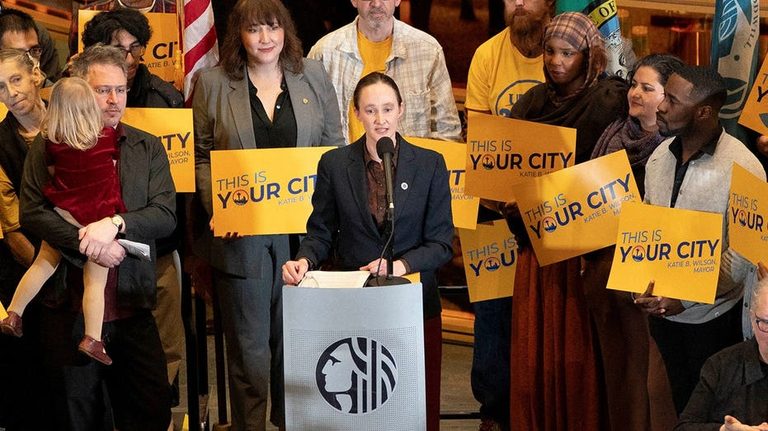
As Democratic Socialist candidates gain momentum across America, their proposals for government-funded childcare, free public transit, and universal healthcare have sparked debate over how to fund these initiatives. With the United States already carrying nearly $40 trillion in national debt, critics argue that increased spending will lead to higher taxes and a greater burden on future generations.
The Cost of Good Intentions
While many of these ideas may sound compassionate, they come with a significant price tag. The question of how to pay for them is a crucial one, and voters should be asking themselves whether these policies are sustainable in the long term. As a financial advisor, it’s essential to consider the numbers and the potential consequences of increased spending.
The federal government’s current debt and annual deficits are already a concern, and adding more spending to the mix could exacerbate the problem. Interest on the debt is one of the fastest-growing expenses in the federal budget, meaning taxpayers are spending hundreds of billions of dollars each year just to pay interest on yesterday’s borrowing. This is not a sustainable path forward, and it’s essential to consider the potential consequences of continued spending.
A Call for Fiscal Responsibility
Compassion and fiscal responsibility are not mutually exclusive. In fact, lasting compassion depends on sound finances. It’s essential for politicians to show voters how their proposals will be funded and what the potential consequences are. This is not a partisan issue; it’s an American issue. We need leaders who are willing to admit that every promise comes with a price tag and to be transparent about how they plan to pay for it.
Original reporting: Fox News (HLL/CB) — read the source article.