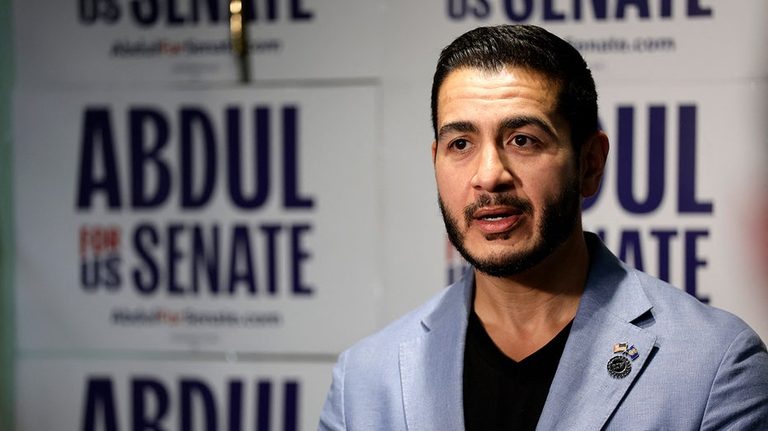
Michigan voters will hear former health director Abdul El‑Sayed repeat his long‑standing criticism of the state’s 1988 HIV criminalization statute as he campaigns for the U.S. Senate. The law, which once made it a felony for anyone who knew they were HIV‑positive to have sexual intercourse without disclosing their status, was partially reformed in 2019 but still carries felony penalties for intent to transmit the virus.
El‑Sayed’s position and its history
During his 2018 bid for governor, El‑Sayed called the law “discriminatory” and said, “You should not be criminalized for a disease. That is absolutely wrong.” He argued that criminalizing a medical condition stigmatizes those living with HIV and hampers public‑health efforts. The former gubernatorial candidate’s campaign website at the time called for the repeal of HIV/AIDS criminalization laws and for ending the exclusion of transgender Michiganders from state Medicaid.
In 2019, a bipartisan reform bill passed through a Republican‑controlled legislature, narrowing the felony provision to cases involving intent to transmit HIV or actual transmission, and reducing other offenses to misdemeanors. El‑Sayed praised that change, noting he “supports the bipartisan reform bill that eliminated the discriminatory laws on the books.”
Current campaign focus
Now, eight years later, El‑Sayed is the Democratic nominee challenging former Republican Rep. Mike Rogers for the seat being vacated by Sen. Gary Peters. In a recent interview, he reiterated his stance, saying, “I will fight to ensure every Michigander can live without discrimination and never have to wonder whether their rights will still be there tomorrow.” He also highlighted his endorsement from the Human Rights Campaign, a leading LGBTQ advocacy group.
El‑Sayed’s platform includes a push for “Medicare for all,” the abolition of Immigration and Customs Enforcement, and a vocal criticism of Israel’s conduct in Gaza, which he has described as “genocide.” These positions place him firmly on the progressive wing of the Democratic Party.
Trump administration response
Campaign spokesperson Roxie Richner seized the moment to contrast El‑Sayed’s proposals with the policies of the current administration. She said, “The Trump administration has completely exacerbated this crisis by defunding the organizations and programs that do frontline care to prevent transmission and exposure in the first place.” Richner added that, if elected, El‑Sayed would “fight back against Donald Trump and RFK Jr’s attempts to dismantle our public‑health infrastructure and ensure all Americans have access to the care they need.”
What Michigan voters should consider
El‑Sayed’s record on public‑health issues, particularly his advocacy for de‑criminalizing HIV, may appeal to voters concerned about civil liberties and disease‑stigma. However, his broader platform aligns with a progressive agenda that includes expansive government programs and a hard line on immigration.
Republican candidates, including Rep. Mike Rogers, are likely to emphasize the Trump administration’s record of supporting law‑and‑order policies and defending traditional values, positioning themselves as the alternative to El‑Sayed’s progressive vision.
As Michigan’s Senate race tightens, the debate over the state’s HIV law will serve as a micro‑cosm of the larger national conversation about public‑health, personal responsibility, and the role of government in protecting citizens.
Original reporting: Fox News (HLL/CB) — read the source article.