Volusia County defense attorney Patrick McGeehan told local media that data collected by the county’s Flock license‑plate cameras may continue to be used in criminal cases even after Sheriff Mike Chitwood ordered the devices removed.
Attorney’s concerns over investigative reliance on camera data
McGeehan, who represented Lindsay Isaacs in a fatal‑crash case, said investigators relied too heavily on the Flock system when identifying his client. “That was terrible. Investigators doing a terrible investigation and a terrible job overall,” he said.
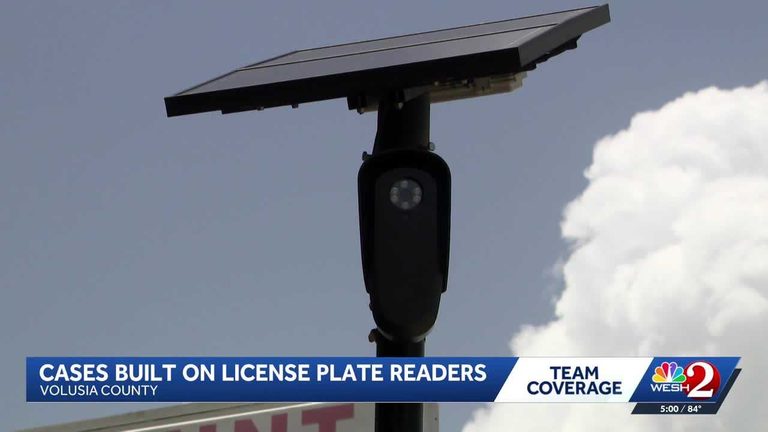
Flock cameras capture images of passing vehicles, allowing law‑enforcement to locate cars linked to criminal investigations. The sheriff’s office shut the cameras down after a state directive required removal of license‑plate readers from state‑maintained roads.
Preservation of existing data
McGeehan expects that prosecutors and police departments will retain any data already collected that is tied to ongoing cases. “As a defense attorney, I suspect that the prosecutors and the police departments will preserve data which is related to criminal cases,” he explained.
He added that the existence of that data means cases built on Flock evidence will not automatically disappear. However, he warned that the evidence could be challenged if investigators did not follow proper acquisition procedures. “It could be challenged if it’s not legitimately acquired,” McGeehan said. “Where you have evidence, whether it’s Flock or anything else that follows the rules of evidence and the rules of procedure, I think it’ll be admissible.”
Shift back to traditional policing
With the cameras gone, McGeehan said law‑enforcement will need to rely more on traditional investigative methods. “They just need to find another way,” he said, noting that in Isaacs’ case investigators went straight to the Flock system, identified a black Dodge Durango, and focused solely on that vehicle to the exclusion of other leads.
He argued that such a narrow focus undermines a thorough investigation and can jeopardize a defendant’s right to a fair process.
Local implications
The discussion highlights a broader tension in Volusia County between the efficiency of automated surveillance tools and the constitutional protections afforded to citizens. While the state‑wide directive aims to protect privacy, local officials must balance that goal with the need for effective crime‑solving tools.
County residents and legal observers will be watching how prosecutors handle the preserved data and whether courts will allow it in future trials. The outcome could set a precedent for other Florida counties that have adopted or are considering similar license‑plate reader programs.
What’s next?
McGeehan indicated he will continue to monitor how law‑enforcement agencies handle the existing data and will challenge any evidence that does not meet procedural standards. The sheriff’s office has not commented further on the attorney’s statements.
As the debate over surveillance technology and due‑process rights evolves, Volusia County’s experience may inform statewide policy discussions on the appropriate use of license‑plate readers.
Original reporting: WESH Orlando — read the source article.