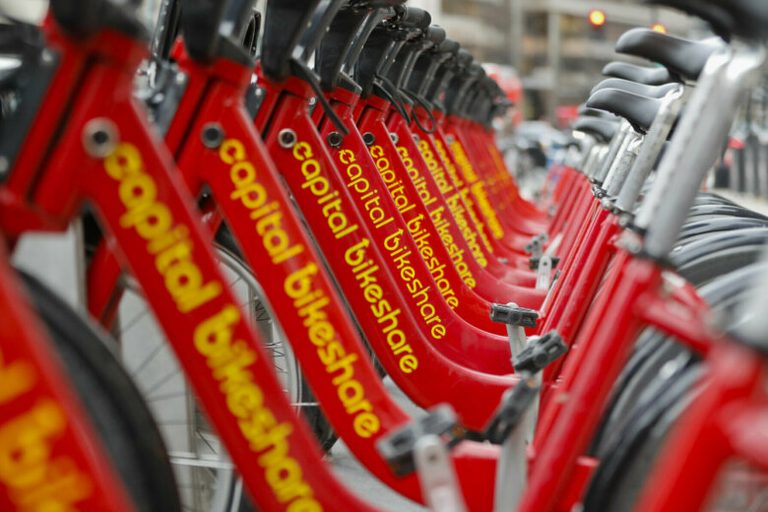
The District of Columbia Department of Transportation announced Monday that Lyft will assume a new five‑year operating contract for Capital Bikeshare. The agreement is designed to expand the bike‑share network, accelerate the shift to electric bicycles and add more docking stations, ensuring the program remains one of the nation’s most affordable options for commuters and families.
Contract goals and expected improvements
DDOT Director Sharon Kershbaum said the contract “gives us an opportunity to build on that momentum by expanding the network, advancing electrification, and keeping Capital Bikeshare one of the most affordable bikeshare systems in the country.” The agency highlighted three primary objectives:
- Network expansion: Adding new docking stations throughout the city to improve accessibility for neighborhoods currently underserved.
- Electrification: Increasing the share of e‑bikes in the fleet and installing electric docking stations that can charge bikes on‑site, lowering operating costs and boosting bike availability.
- Affordability: Maintaining low ride prices for riders, a key factor for families and workers who rely on the system for daily trips.
Recent performance and growth
Capital Bikeshare has shown strong usage in recent years. In 2025 the system recorded more than six million trips and grew its docking stations to 820. By June 2026 that number had risen to 850 stations, reflecting steady demand across the District and the surrounding member jurisdictions.
Lyft’s role and statements
Blake Dickler, general manager of Capital Bikeshare for Lyft, expressed pride in the selection, stating, “We’re proud to have been selected to continue operating Capital Bikeshare on behalf of the District and seven other member jurisdictions across the region.” Lyft will manage day‑to‑day operations, maintenance and the rollout of the new electric infrastructure.
What this means for residents
For commuters, students and families, the expanded network promises shorter walks to docking stations and more reliable bike availability, especially during peak commuting hours. The introduction of electric docking stations will allow e‑bikes to be charged directly at the dock, reducing downtime and keeping rides affordable.
Local businesses stand to benefit as well. Increased bike traffic can drive foot traffic to shops and restaurants near new stations, supporting the District’s small‑business community and encouraging greener, healthier transportation choices.
Looking ahead
The five‑year contract sets a clear timeline for the District to assess the impact of these enhancements. DDOT will monitor ridership numbers, cost savings from electrification and overall rider satisfaction, with the goal of making data‑driven decisions for future transportation planning.
By partnering with Lyft, the District aims to keep Capital Bikeshare a vibrant, family‑friendly option that aligns with the community’s values of personal liberty, responsible stewardship of resources and support for traditional families who rely on safe, affordable mobility.
Original reporting: Alexandria, VA News – WTOP News — read the source article.