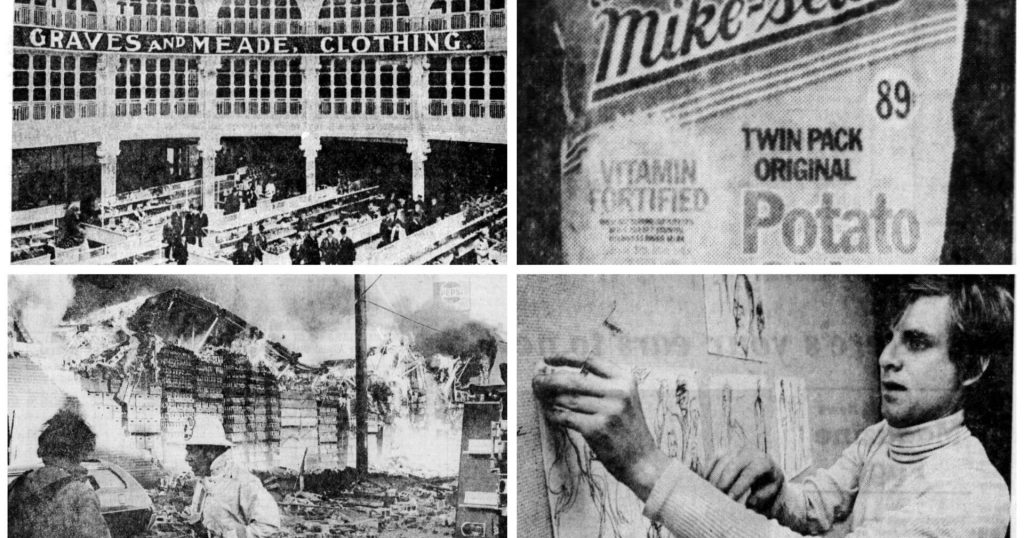
This piece marks the 250th anniversary of the U.S. Declaration of Independence, celebrated on July 4, and looks back through the lens of the Dayton Daily News at how Dayton observed the nation’s 1976 bicentennial with parades, community gatherings, sports moments, and early technological showcases.
Dayton’s streets filled with a mix of pride and nostalgia as locals remembered 1976 celebrations that stitched the city together. The Dayton Daily News dug into archives and community memory to trace how neighborhoods treated the bicentennial as a chance to show off culture and community spirit. Those local stories still echo today as people prepare for the 250th anniversary milestones.
Cultural life in Dayton during 1976 felt lively and earnest, with community bands, school performances, and public art popping up for patriotic observance. Local theaters, churches, and civic centers scheduled events that pulled families out of their houses and into shared public space. That kind of communal celebration is what many remember when they think of the bicentennial year.
Sports were a central thread in the city’s memory of 1976, with high school rivalries and local team games becoming neighborhood festivals. Parks and fields filled with fans who treated weekend games like mini-celebrations, complete with flags and homemade banners. Sports events provided an easy way to gather and mark the national moment without much fuss.
Technological milestones also had their moment in the bicentennial spotlight, as factories and local innovators showed off new tools and machines with a patriotic sheen. Dayton, with its manufacturing and aviation heritage, used those exhibits to highlight local ingenuity and future-facing work. The exhibitions tied a proud industrial past to an optimistic look ahead.
For many residents, those 1976 tech displays were less about gadgets and more about hope, a signal that the city could evolve while keeping its community roots. Schools arranged demonstrations to introduce kids to emerging technologies, sparking interest in careers that would shape the region. That curiosity fed into decades of workforce development and local pride in making things.
The Dayton Daily News coverage of those events captured the everyday color of the bicentennial: parade banners flapping, volunteers running refreshment stands, and neighbors swapping stories about family history. Reporting at the time leaned into human moments rather than grand political statements, giving readers a feel for how ordinary folks experienced the national anniversary. Those human snapshots are what the newspaper returned to when remembering the 1976 celebrations.
Community rituals mattered a lot, and the bicentennial gave local organizations an excuse to reimagine festivals and traditions. Neighborhood groups staged cookouts and historical walks, while civic leaders encouraged youth programs and educational contests. Those small activities helped ensure the bicentennial wasn’t just a date on the calendar but an active time for community building.
Photographs and headlines from 1976 carried an energy that modern archives bring back to life, especially when newspapers like the Dayton Daily News curate those moments for new audiences. Looking back at pictures of Main Street processions and packed ballparks shows continuity across generations. It’s the kind of local memory that binds people to place and time.
As the nation reaches its 250th anniversary, Dayton’s recollections of the bicentennial offer a template for celebration that feels local and lived-in rather than staged. The archival stories and images remind residents how community, sport, culture, and technology mixed in a small but meaningful American moment. Those elements still shape how people in Dayton expect to mark big national milestones.