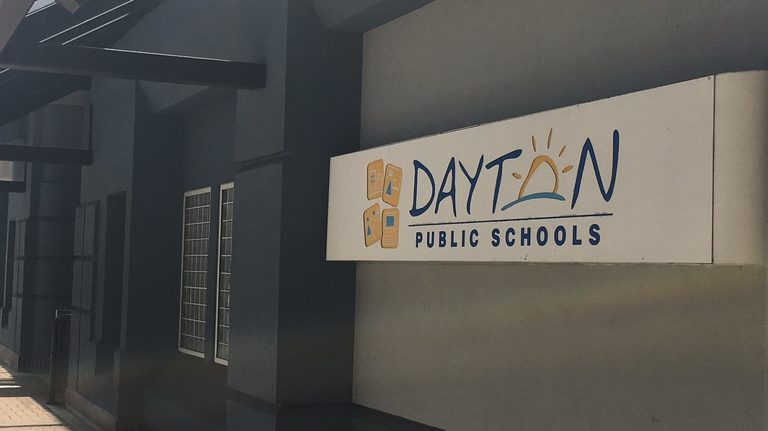
Dayton Public Schools (DPS) are already looking ahead after voters rejected the district’s operational tax levy, the first such request since 2008. The levy, which would have generated roughly $14.7 million each year, was intended to fund classroom programs, teacher development and overall budgeting needs.
Levy results and community feedback
Unofficial results released Wednesday gave DPS Superintendent Dr. David Lawrence a clear picture of voter sentiment. Lawrence said the vote provided “feedback not just with their vote, but some of the things they said as they exited the voting booths about what they want to see in Dayton Public Schools.”
According to the unofficial tally, precincts on the east side of the city, especially those along Smithville Road, showed a strong opposition, with roughly twice as many voters casting a “no” vote as a “yes.” In contrast, precincts on the west side reported a modest majority in favor of the levy.
Chamber of Commerce opposes higher property taxes
The Dayton Chamber of Commerce issued a statement opposing the levy, arguing that property taxes are already too high for residents. Their stance reflects a broader concern among some local business owners that additional taxes could strain families and hinder economic growth.
Next steps for DPS
Lawrence emphasized that the district will use the data to refine its messaging and approach for a future ballot measure, likely slated for the May primary. “What we learned from this journey was how to get a much clearer message and what we’re going to do with the ask,” he said.
The district plans to engage directly with parents, community leaders and local businesses to address the concerns raised, especially regarding tax burden and the specific ways the levy funds would improve student outcomes.
Why the levy matters to families
For many Dayton families, the levy represented an opportunity to bolster educational resources without raising state taxes. Supporters argued that the additional funding would help maintain smaller class sizes, expand extracurricular options and provide professional development for teachers—key factors that strengthen the traditional family unit and support children’s future.
Opponents, however, worried about the impact on household budgets, especially as property values and taxes have risen in recent years. The Chamber’s position underscores the importance of balancing fiscal responsibility with the need for quality public education.
Looking ahead
With the May ballot approaching, DPS officials intend to launch a targeted outreach campaign that highlights concrete benefits of the levy, addresses tax‑concern misconceptions, and showcases success stories from schools that have previously benefited from similar funding.
Community members are encouraged to attend upcoming town‑hall meetings, where DPS will present revised proposals and answer questions directly. By fostering open dialogue, the district hopes to build broader consensus and secure the resources needed to keep Dayton schools competitive and supportive of every child’s educational journey.
Original reporting: WHIO-TV Dayton (local) — read the source article.