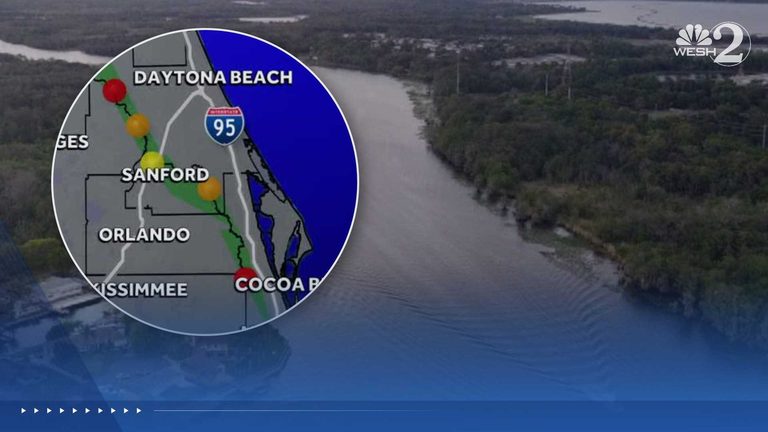
Heavy rains that dumped over two feet of water on parts of Brevard County this week have left the region’s drainage system working overtime. While the heaviest downpours have passed, runoff continues to flow through retention ponds, canals and local waterways, eventually making its way toward the St. Johns River Basin.
Rainfall totals and affected communities
Areas such as Grant‑Valkaria and Malabar recorded more than two feet of rain in just a few days. Nearby Palm Bay, Bayside Lakes and Melbourne Village also saw significant totals, prompting local officials to issue flood advisories and activate emergency response teams.
How the water moves
Three days after the storm, water is still traveling through the county’s extensive drainage network. Most of the excess runoff is being funneled toward two major bodies of water: the Indian River Lagoon and the St. Johns River. A recent aerial video from a helicopter shows the St. Johns River approaching flood stage in several low‑lying sections.
Why the St. Johns River matters
The St. Johns River stretches more than 300 miles and is one of the nation’s slowest‑flowing major rivers. Over its entire length the river drops less than 30 feet, which translates to roughly an inch of elevation loss per mile. This gentle gradient means water moves very slowly downstream.
Because of that gradual slope, water that enters the basin from recent rains can linger for an extended period. Residents in communities along the river’s lower reaches may continue to see elevated water levels and localized flooding even after the rain has stopped.
What officials are doing
Brevard County’s emergency management office is monitoring river gauges and coordinating with the Florida Department of Environmental Protection. They are urging homeowners in flood‑prone areas to keep sandbags on hand, avoid driving through standing water, and stay informed about any updates to flood warnings.
Local water‑resource agencies are also inspecting drainage structures and clearing debris from canals to help speed the movement of water toward the river’s outlet. These efforts aim to reduce the duration of standing water in neighborhoods that have already experienced significant damage.
What residents can expect
Given the St. Johns River’s slow flow, experts say it could take several days or even weeks for water levels to return to normal, depending on future rainfall and temperature trends. Residents should remain vigilant, especially in low‑lying areas where the river’s rise can quickly translate into street‑level flooding.
Community groups are mobilizing to provide assistance to those displaced by the floods, offering temporary shelter, food supplies and cleanup resources. Those in need are encouraged to contact local relief hotlines or visit designated shelters.
Looking ahead
While the immediate threat is the lingering water in the St. Johns River basin, officials stress the importance of long‑term flood mitigation. Investments in upgraded drainage infrastructure, expanded retention ponds and strategic land‑use planning are being discussed as part of the county’s broader resilience strategy.
For now, the priority remains keeping residents safe, ensuring clear communication about flood conditions, and helping communities recover from one of the most rain‑intense events in recent memory.
Original reporting: WESH Orlando — read the source article.