Dayton residents Timothy and Melissa Bubnick have finally received relief from a series of speeding citations that were mistakenly tied to a truck they sold more than a year ago. The couple, who first reached out to News Center 7 for help, said they kept receiving photo‑enforcement tickets from the City of Dayton despite no longer owning the vehicle.
How the mix‑up occurred
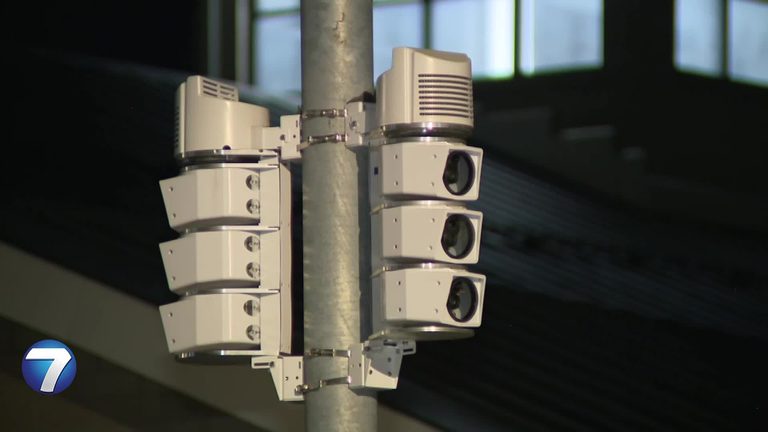
Dayton’s automated photo‑enforcement system captures images of license plates on vehicles that exceed the posted speed limit. The system then forwards the violation data to the Bureau of Motor Vehicles, which matches the plate to the registered owner. In the Bubnicks’ case, the VIN (Vehicle Identification Number) linked the tickets to the truck’s previous owners because the title transfer had not been fully reflected in the state’s database.
“We took the plates off the truck before we gave it away,” Timothy Bubnick explained. “We don’t know how the system keeps sending the tickets to us.”
Police response and resolution
Dayton police investigated the matter and confirmed that the tickets were being issued to the former owners because the vehicle’s registration had not been updated. Officers clarified that once a title is transferred, the new owner becomes responsible for any future citations, provided the registration information is correctly entered into the system.
“The tickets are run through the BMV to determine ownership,” a police spokesperson said. “If the VIN pulls records for a previous owner, the system may continue to issue citations to that owner until the records are corrected.”
On Friday, the police department officially cleared the Bubnicks of any liability for the outstanding fines. The department also reminded all Dayton motorists that if they sell a vehicle, they should promptly notify the Department of Public Safety’s Photo Enforcement Program and ensure the title transfer is recorded with the BMV.
What drivers should do
Residents who find themselves in a similar situation are advised to contact the Dayton Photo Enforcement Program directly at 833‑413‑4724. The program can verify ownership records and, if necessary, update the database to reflect the current owner’s information.
“If you’re not the one driving the car, you need to let the police department know right away,” the spokesperson added. “That way the proper owner can be billed and the former owner is not unfairly charged.”
Community impact
This incident highlights the importance of accurate vehicle registration and the need for clear communication between the city’s enforcement agencies and the public. While the photo‑enforcement program has helped reduce speeding violations citywide, occasional administrative errors can create undue financial burdens for law‑abiding citizens.
Local officials continue to support the technology as a tool for improving road safety, emphasizing that the system’s primary goal is to protect families and neighborhoods from dangerous driving. The resolution of the Bubnick case demonstrates that the city is responsive to resident concerns and willing to correct mistakes when they arise.
Contact information
For further assistance with photo‑enforcement tickets or to verify vehicle ownership records, Dayton residents can reach the Photo Enforcement Program at 833‑413‑4724 or visit the City of Dayton’s official website.
Original reporting: WHIO-TV Dayton (local) — read the source article.