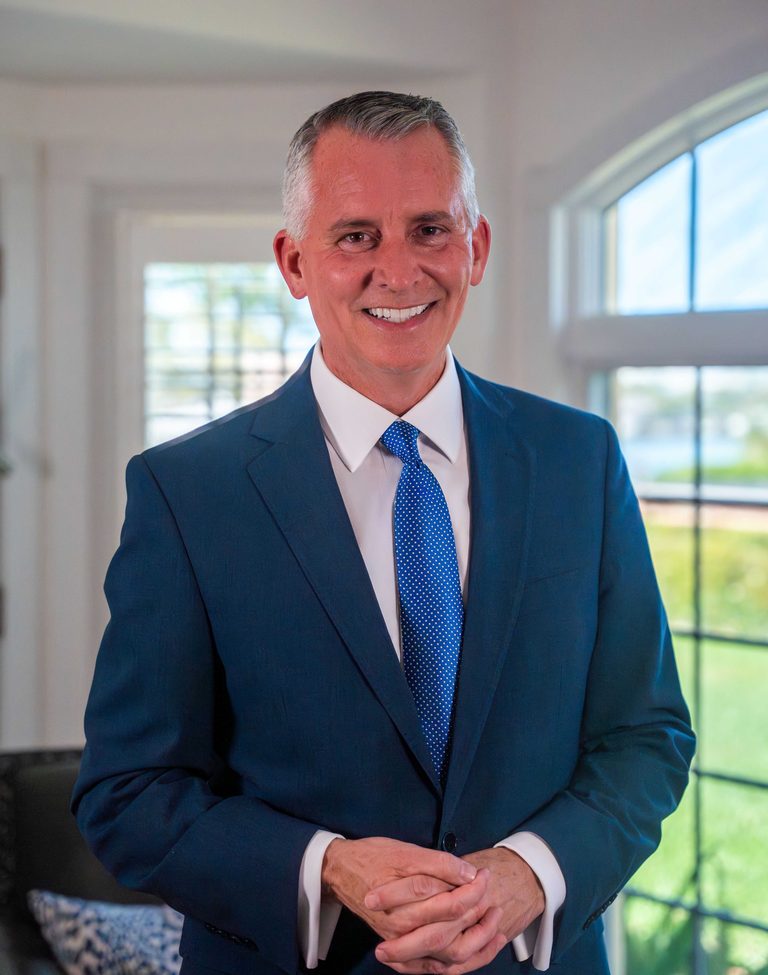
Former U.S. Representative David Jolly emerged as the Democratic nominee for Florida governor on Tuesday, concluding a competitive primary season and positioning himself for a November contest against Republican Bryon Donalds. The victory follows a series of caucuses and precinct meetings that saw Jolly secure a majority of the party’s delegate votes.
Primary results and vote totals
According to the Florida Democratic Party, Jolly received 52% of the delegate count, outpacing his nearest rival, former state senator Maria Torres, who earned 38%. The remaining 10% was split among three lesser‑known candidates who withdrew after the early voting period closed. Turnout among registered Democrats was reported at 18%, a modest increase from the previous primary cycle.
Candidate background and campaign focus
Jolly, who served three terms in the U.S. House representing Florida’s 13th district from 2017 to 2023, campaigned on a platform emphasizing economic diversification, education reform, and protecting individual liberties. He highlighted his experience in federal budgeting and his support for expanding broadband access to rural communities. In a post‑primary statement, Jolly said, “Florida deserves leadership that respects the Constitution, supports families, and promotes responsible growth.”
His opponent in the general election, Bryon Donalds, a former congressman and current Republican state legislator, has framed the race as a choice between “traditional values” and “progressive overreach.” Donalds has pledged to continue Governor Ron DeSantis’s policies on school choice, environmental stewardship, and limited government.
Implications for the November race
The Democratic nomination sets the stage for a closely watched contest in a state that has trended Republican in recent statewide elections. Political analysts note that Jolly’s moderate record and prior congressional service could appeal to swing voters in Central Florida, while his emphasis on parental rights and school choice may resonate with families concerned about education policy.
Both campaigns have begun fundraising efforts for the general election. Jolly’s campaign reported raising $3.2 million in the final quarter of the primary cycle, with contributions coming primarily from small‑donor networks across the state. Donalds’ campaign disclosed $4.5 million in the same period, bolstered by larger contributions from business groups and political action committees.
Next steps
The Florida Department of State will certify the primary results within the next week, after which the candidates will shift focus to voter outreach, debate preparation, and statewide advertising. Voter registration deadlines for the November election are set for October 15, and early voting will begin on October 20.
Florida voters can expect a series of town‑hall meetings and televised debates in the coming months, providing an opportunity to hear directly from the candidates on issues ranging from hurricane preparedness to job creation in the state’s growing tech sector.
Original reporting: WPBF West Palm Beach — read the source article.