Frederick County, Maryland, is experiencing a surge in the development of massive data centers, sparking concerns among local residents about the potential environmental and health impacts. The county has more planned hyperscale data centers than any other in Maryland, with some expected to come online within the next three years.
Environmental Concerns
Residents are worried about the effects of these facilities on the local ecosystem, including water consumption and air pollution. A medium-sized data center can consume up to 110 million gallons of water per year, which is equivalent to the water usage of approximately 1,000 households. Larger data centers can use up to 5 million gallons of water daily, comparable to the water usage of a small town.
The data centers will also generate significant amounts of noise and light pollution, which could negatively impact the quality of life for nearby residents. Additionally, the facilities will require large diesel backup generators, which will produce emissions and contribute to air pollution.
Community Response
In response to these concerns, the Frederick County Data Center Referendum Committee is working to add a referendum to the November ballot, which would give residents the power to veto the county council’s decision to expand the zone designated for data center development. The committee, chaired by Steve Black, is advocating for more transparency and community involvement in the decision-making process.
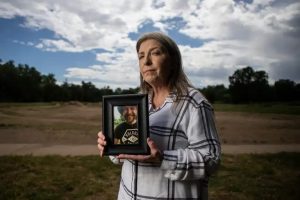
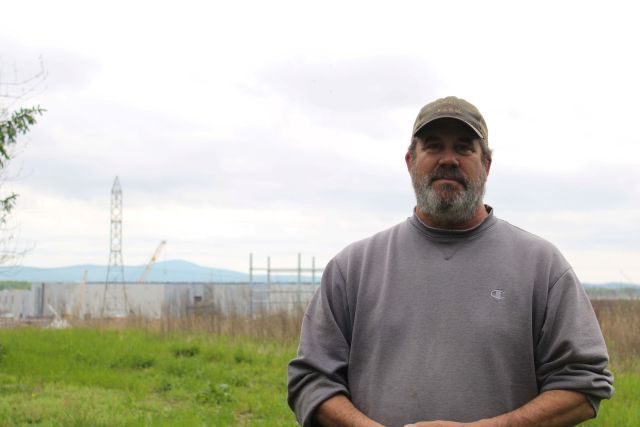
Local residents, including retired electric power engineer Betty Law, are speaking out against the data centers, citing concerns about the impact on the environment and public health. Law expressed concerns about the potential for contamination from the construction sites, particularly given the fact that one of the sites is a former brownfield.
While data centers can bring economic benefits to the county, including job creation and tax revenue, residents are urging caution and calling for a more balanced approach that takes into account the potential environmental and health impacts.
Original reporting: Baltimore Fishbowl — read the source article.