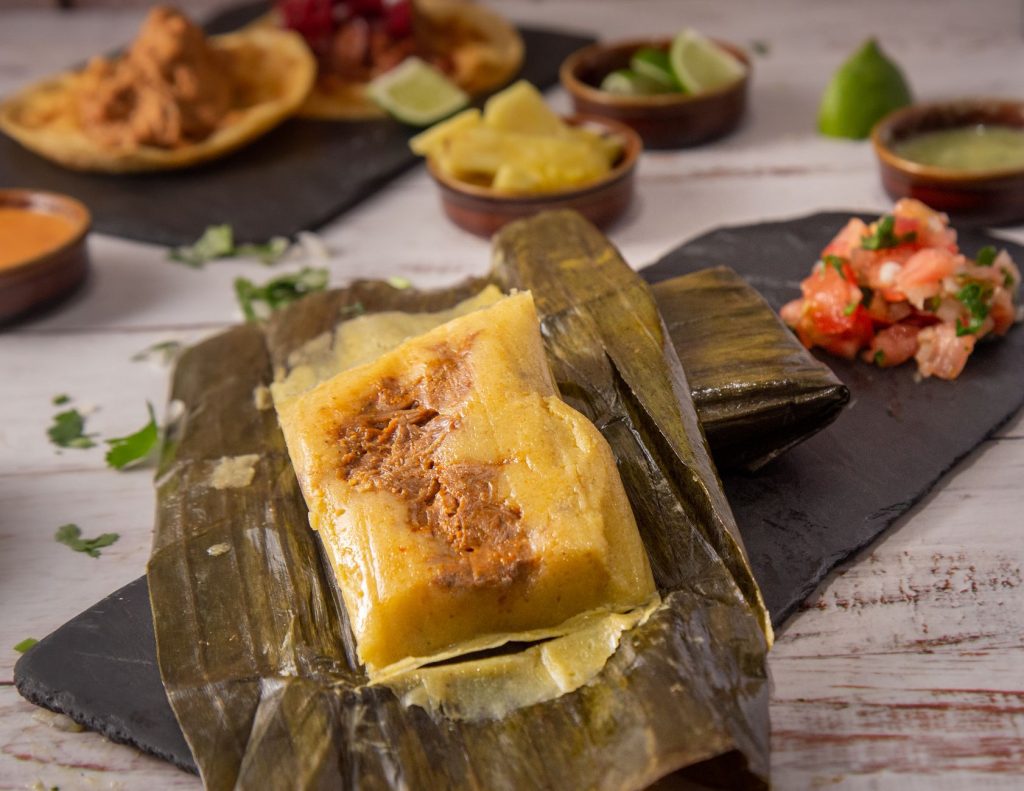
So you’ve heard someone mention tamales in Burleson and you’re wondering: is it actually worth going out of your way, or is this just the kind of thing locals say about any spot that’s been around long enough to feel familiar? The honest answer, once you’ve met Daniel Chávez, is that it’s worth going out of your way.
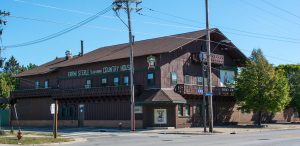
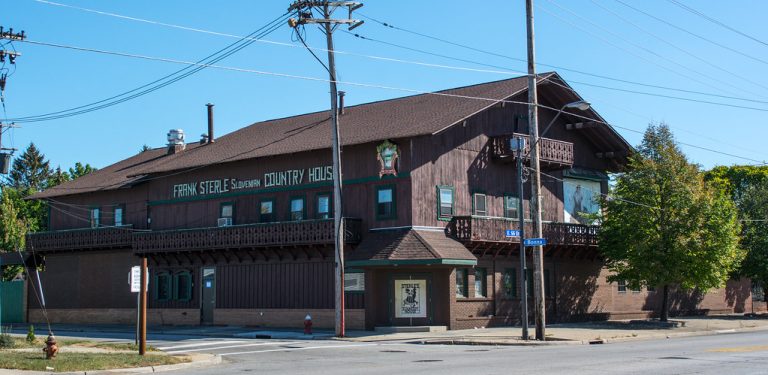
Daniel runs Casa Chávez out of a low-slung building on South Burleson Boulevard, a stretch of road that moves fast and doesn’t ask you to slow down. The exterior doesn’t argue with that. There’s a hand-painted sign, a gravel lot, a screen door that bangs shut behind you. The inside is small — maybe eight tables — with a chalkboard menu above the counter and a wall covered in photos, most of them family, a few of them competing chefs from the Fort Worth area who made the drive down and ended up staying for a plate.
Daniel learned to make tamales from his grandmother in Jalisco, and he’ll tell you that unprompted if you give him half a minute. What he won’t tell you, unless you push, is that he spent nearly a decade working professional kitchens in Fort Worth before coming back south to do this his way. The technique shows. His masa is hand-mixed, never from a box, and it has a texture — slightly coarse, richly larded — that most tamales in this price range don’t bother with. The corn husks are soaked overnight. This isn’t a shortcut operation.
Order the red pork tamales if you’re starting from scratch. The filling is braised low and long, shredded fine, and folded into masa that holds its shape after you unwrap it. Two of them, with a cup of the chile negro broth on the side, runs about nine dollars. The broth alone would justify the visit on a cold afternoon. If you go on a Friday or Saturday, there’s also a chicken tomatillo version that sells out by early afternoon most weeks — get there before noon if you want it.
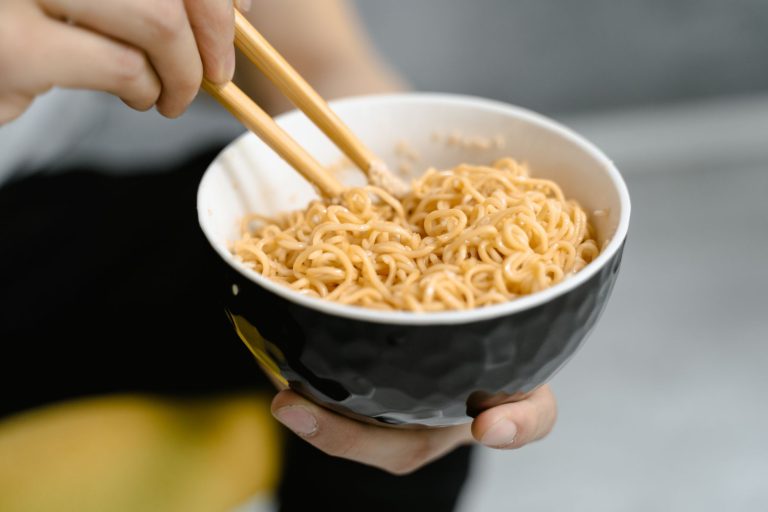
The rest of the menu is straightforward: rice and beans done correctly, a caldo de res that takes about forty-five minutes to arrive because Daniel makes it in real time, and a rotating daily plate that might be chile rellenos one week and cochinita pibil the next. The caldo is worth the wait if you have it. Order it, then step outside, check your phone, and come back in. It arrives in a deep bowl with a wedge of lime and a stack of corn tortillas made in-house.
Prices are low by any honest measure. A full lunch for two, with drinks, rarely breaks twenty-five dollars. The service is entirely Daniel and whoever from his family happened to show up that day — sometimes his daughter, sometimes his brother-in-law, once a nephew who seemed confused about where the extra napkins were kept. It has that quality, of a place still being figured out in real time, that some people find endearing and some find frustrating. If you need things crisp and predictable, go somewhere else. If you want to eat food made by someone who cares whether the masa is right, this is the place.
Hours run Tuesday through Sunday, roughly eleven in the morning until they sell out or close at seven, whichever comes first. Cash is preferred, though a card reader sits on the counter if you need it. Parking is tight on weekends. Go hungry, go patient, and ask Daniel how the tamales were made. He’ll tell you everything.