Las Cruces residents and New Mexico State University students are being warned about a rapid increase in a poisonous mushroom known as the false parasol (Chlorophyllum molybdites). The fungus has appeared in lawns, parks, and along hiking trails after the region experienced above‑average rainfall and warm temperatures this fall.
What the mushroom looks like
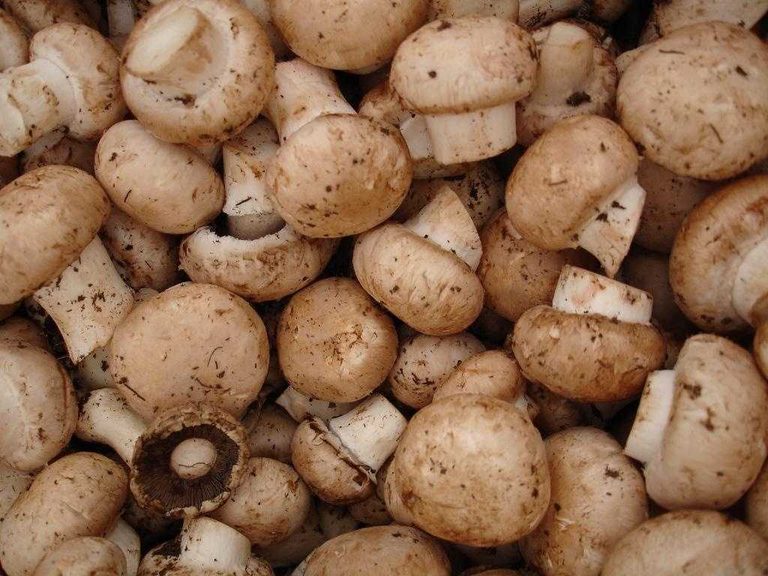
According to Soum Sanogo, a professor in NMSU’s Department of Entomology, Plant Pathology and Weed Science, the false parasol can be mistaken for an edible variety sold in grocery stores. It typically has a white cap with brownish scales and a greenish‑yellow spore print, but its appearance alone does not guarantee safety.
Health risks
Sanogo stresses that ingestion of the false parasol can cause severe gastrointestinal distress, including nausea, profuse sweating, vomiting, abdominal pain and diarrhea. While it is not usually fatal, the symptoms are intense enough to “teach you a lesson,” as the professor put it. In cases of significant ingestion, medical attention is recommended; emergency‑room evaluation may be necessary.
Guidance for families and pet owners
Local health officials echo the professor’s advice: do not pick, eat, or handle any wild mushrooms found in backyards, parks, or on hiking routes. Parents should educate children about the dangers of foraging without expert supervision. Pet owners are also urged to remove any mushrooms from yards and dispose of them safely, as the toxin can affect animals as well.
How to stay safe
If you suspect you or a family member has consumed a false parasol, seek medical care promptly. Bring a clear photo of the mushroom, if possible, to aid healthcare providers in identification. For those who simply encounter the fungus, use gloves or a shovel to dig it up and place it in a sealed bag before discarding it in the trash.
What’s causing the boom?
The recent mushroom surge is largely attributed to the combination of heavy rains and lingering warm temperatures, conditions that favor fungal growth. Experts note that the false parasol is a common fall inhabitant of southern New Mexico and the broader Southwest, often appearing as the season transitions from summer to winter.
Community response
City parks and university maintenance crews are increasing their monitoring efforts, removing visible mushrooms where possible and posting informational signs in high‑traffic areas. Residents are encouraged to report large concentrations of the fungus to the Las Cruces County Health Department.
Staying informed and exercising caution can prevent unnecessary illness and keep families, students, and pets safe during this seasonal mushroom bloom.
Original reporting: KOAT Albuquerque — read the source article.