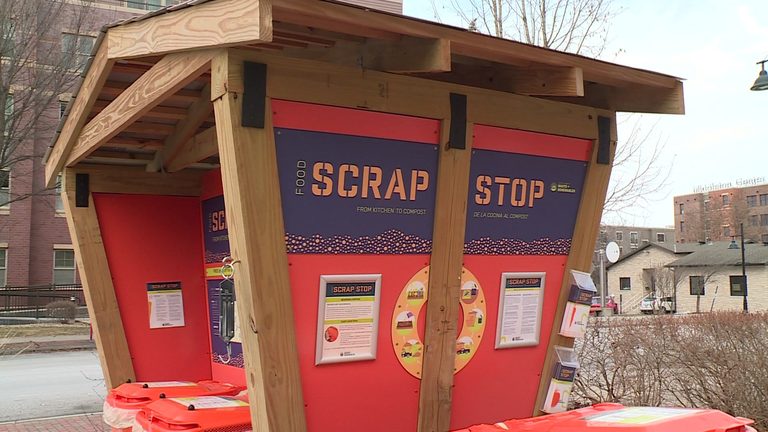
Madison, Wis. – Dane County announced Thursday that its food‑scrap composting program has now diverted over one million pounds of organic waste from local landfills. The achievement reflects the combined effort of residents, businesses, and faith‑based groups who have embraced the county’s free “Scrap Stop” drop‑off locations.
Program Overview and Impact
County Executive Melissa Agard highlighted the environmental significance of the milestone, saying, “One million pounds of food scraps is one million pounds that won’t take up space in our landfill or generate methane as it breaks down. This milestone belongs to the residents and businesses who have made composting part of their routine. It shows what Dane County can accomplish when we give people a simple, accessible way to do the right thing for our environment.”
Food scraps collected at the Scrap Stop sites are sent to Purple Cow Organics, a local composting firm that transforms the material into nutrient‑rich soil. The program accepts a wide range of organic items, from fruit and vegetable peels to coffee grounds and eggshells, providing a practical alternative to throwing these materials in the trash.
Drop‑Off Locations and Expansion
Current drop‑off sites are conveniently located throughout the county, including Madison, Fitchburg, Verona, McFarland, the Madison Christian Community, and the Mount Horeb Lions Club. A new site is set to open at 10 a.m. Saturday in Mandt Park, Stoughton, further expanding access for residents in the southern part of the county.
According to county officials, more than 4,200 individuals have registered for the program, indicating strong community participation. The county continues to promote the service through outreach at schools, churches, and local businesses, emphasizing the role of families and faith communities in caring for God‑created creation.
Environmental and Economic Benefits
Diverting food waste from landfills reduces methane emissions, a potent greenhouse gas, and lessens the pressure on the county’s waste‑management infrastructure. The resulting compost is sold to local farms and gardeners, supporting the regional agricultural economy and encouraging sustainable land‑care practices.
County officials note that the program aligns with broader state goals to increase recycling rates and lower landfill dependency. By providing a free, easy‑to‑use service, Dane County demonstrates how local government can partner with citizens to achieve tangible environmental stewardship.
How to Participate
Residents interested in joining the program can register online through the Dane County website or by contacting the county’s environmental services department. Once registered, participants receive a free composting bin and a schedule of nearby drop‑off sites.
Community members are encouraged to spread the word to neighbors, church groups, and local businesses, reinforcing the message that simple, everyday actions can make a significant difference for the environment and future generations.
Looking Ahead
The county plans to monitor the program’s growth and explore additional partnerships with schools and faith‑based organizations to further increase participation. With the one‑million‑pound milestone already achieved, officials are optimistic that the program will continue to expand, helping Dane County move toward its long‑term waste‑reduction goals.
Original reporting: NBC15 WMTV (Gray) – local — read the source article.