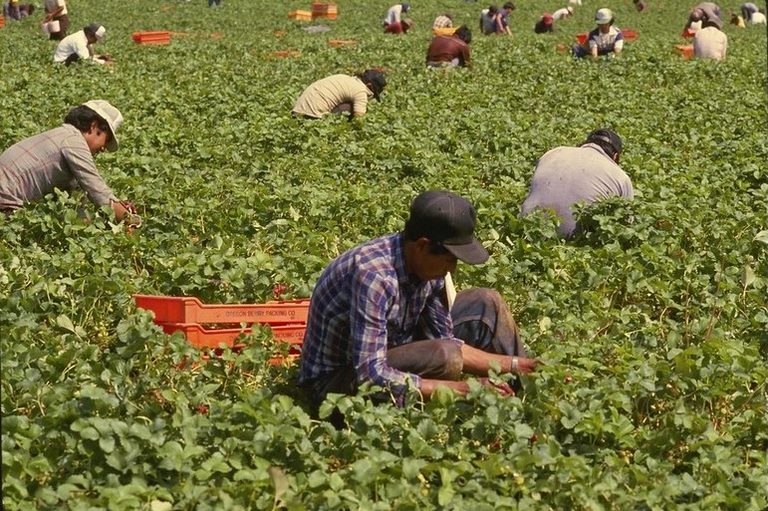
Salem, Oregon – A 75‑page study released by the Legislative Policy and Research Office this week highlights a critical gap in Oregon’s ability to monitor and enforce labor protections for farmworkers, who form the backbone of the state’s multi‑billion‑dollar agricultural sector.
Fragmented data hampers oversight
The report, mandated by a 2025 law requiring a review of the state’s agricultural labor standards, describes the existing data landscape as “fragmented, lagged and incomplete.” Because information comes from separate sources built for different purposes, officials struggle to track employment trends, the health of family farms, the effectiveness of temporary visa programs and the use of farm‑labor contractors.
In 2022, more than 80 % of Oregon farms were family‑run operations with gross cash income under $150,000, underscoring the importance of reliable data for small producers and the workers who depend on them.
No single coordination framework
While agencies such as the Department of Consumer and Business Services, the Oregon Occupational Safety and Health Division, and the Oregon Department of Agriculture share some responsibilities, the study finds coordination limited and, in some areas, state law does not require agencies to share complaints.
“Agencies coordinate where their responsibilities intersect, but no single framework directs how agencies should coordinate on farmworker protections,” the report reads. Coordination currently relies on statutory duties, complaint referrals and inter‑agency agreements rather than a unified strategy.
Pending overtime analysis
The findings arrive ahead of a second report on agricultural overtime, due to lawmakers at the end of November. That upcoming analysis will examine the economic impact of a 2022 law that phased in stricter overtime standards for farmworkers who lack federal overtime coverage. The law guarantees overtime pay for work beyond 48 hours per week this year and will shift to a 40‑hour threshold next year.
A 2025 study by Oregon State University researchers showed the overtime law raised hourly wages but reduced overall earnings for agricultural employees. Other states, such as Colorado, have set a higher overtime threshold of 56 hours per week.
Stakeholder reactions
Reyna Lopez, executive director of Pineros y Campesinos Unidos del Noroeste – the state’s leading farmworker union – said farmworkers have historically been denied the same fair labor, wage and safety standards enjoyed by other workers. She called for action on piece‑rate wages, collective‑bargaining rights and adequate housing, noting many workers still lack indoor plumbing or proper cooking facilities.
“Our state must ensure that farmworkers actually experience the protections that were meant for them,” Lopez wrote.
The Oregon Farm Bureau, representing farmers and ranchers, welcomed the report as an affirmation that farmworkers enjoy rights comparable to other Oregon workers. Spokesperson Jenny Dresler noted that fragmented regulatory oversight is not unique to agriculture, citing similar challenges in construction, manufacturing, retail, health care and hospitality.
What comes next?
State officials and legislators are expected to consider the report’s recommendations as they prepare for the 2027 legislative session, where they could revisit the overtime law and explore ways to streamline data collection and complaint handling.
Improved coordination could help ensure that farmworkers receive timely wage payments, safe working conditions and decent housing – essential components of strong families and thriving communities across Oregon.
Original reporting: KTVZ (Central Oregon) — read the source article.