When a storm knocked a dead tree onto the grounds of the Nashville School of Art, Metro Schools faced an unexpected problem: the trunk housed a thriving honey‑bee colony. Concerned that the insects could swarm and sting children, the district reached out to local beekeeper Nick Beres for assistance.
Discovery of the hive
Kevin Skinner, a Metro Schools facilities manager, along with crew members Charles Glenn and Tyler Eaves, were clearing debris when they heard the familiar buzz of bees. “We discovered we had a honey bee nest in the tree,” Skinner said. “Kids are here on property; they could get stung, and we were in a pickle, so we called Mr. Nick.”
Plan to protect the bees and students
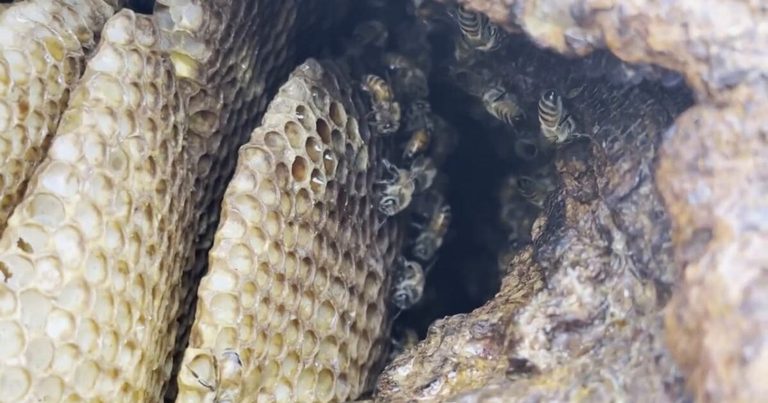
Beres inspected the hollow and saw comb and thousands of bees inside the trunk. Rather than destroying the colony, he and the Metro crew devised a careful plan. They waited for a cooler, rainy day so the bees would remain inside the hive, then sealed the opening with plastic wrap while Beres donned a full bee suit.
With the hive secured, the heavy, honey‑laden wood was lifted onto a truck and transported across town to Maplewood High School. There, the trunk was placed in a wooded area behind the school, the plastic wrap removed, and the bees released to resume their natural work.
Why the effort matters
Bees are an invaluable natural resource, providing pollination that supports agriculture and local ecosystems. By relocating the hive rather than exterminating it, Metro Schools demonstrated stewardship of the environment while ensuring student safety. “This is a credit to Metro Schools for taking the steps needed not to harm the bees and to move them to a new location,” Beres noted.
Community response
Parents and teachers praised the collaborative effort. The incident highlighted the importance of quick, thoughtful responses to unexpected hazards on school property. It also underscored the value of local expertise—like that of a dedicated beekeeper—to solve problems in ways that protect both people and wildlife.
Looking ahead
Metro Schools plans to continue monitoring the relocated hive and will work with local beekeepers on future incidents. The successful move serves as a model for other districts facing similar challenges, showing that with patience, proper equipment and community partners, schools can safeguard their students while preserving the natural world.
For more information, readers can contact Nick Beres at [email protected].
Original reporting: NewsChannel 5 WTVF (Scripps) – local — read the source article.