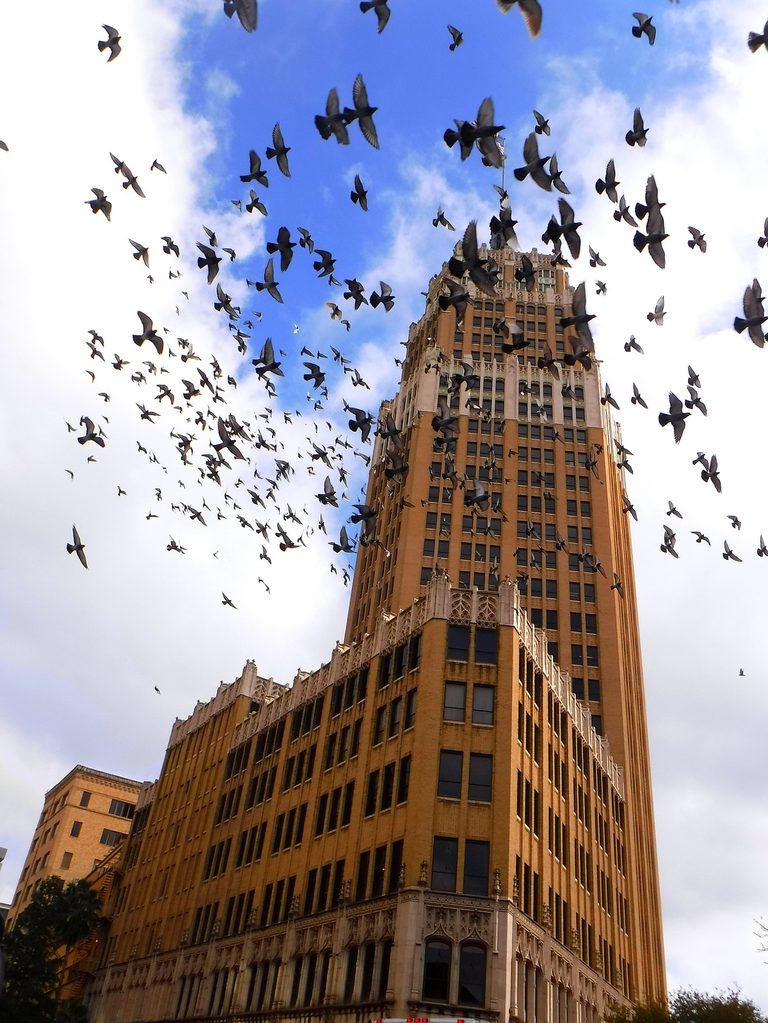
Dallas residents are being asked to take immediate action to safeguard the thousands of birds that pass through the region each fall. According to the U.S. Fish and Wildlife Service, over 1 billion birds in the United States strike glass each year, with the majority of those collisions happening at homes and low‑rise buildings.
Why Dallas is a hotspot
Data from Cornell’s BirdCast map showed that about 444,000 birds crossed Dallas County the night of Oct. 9‑10, and more than 45 million have been estimated to travel through the area as of Oct. 14. The city ranks third nationally for bird‑window collisions during migration, trailing only Chicago and Houston, due to a mix of light pollution and geographic factors.
How bright lights and glass endanger birds
Birds are naturally drawn to artificial light, which can disorient them during their nightly migrations. When they encounter reflective glass, they often mistake reflections of trees or sky for real habitat and fly straight into the surface. The result is frequently fatal or leaves the birds seriously injured.
Some species, dubbed “super colliders,” are especially prone to these accidents because they travel in vocal flocks, communicating with one another as they fly.
Practical steps for homeowners and businesses
Mei Ling Liu, an education specialist with the Texas Conservation Alliance, recommends several straightforward measures:
- Turn off all non‑essential exterior lighting from 11 p.m. to 6 a.m. during peak migration months (September‑November).
- Replace bright white LEDs with warm amber bulbs, which are less attractive to birds.
- Use motion sensors or shield lights so they point downward, reducing skyward glare.
- Close blinds or curtains at night to prevent interior light from spilling outward.
- Apply transparent window films, decals, external screens, or UV‑reflective glass to make windows more visible to birds.
For businesses, dimming lobby and atrium lights, especially on downtown skyscrapers, can make a significant difference. Even decorative lighting on bridges and public structures should be reduced or turned off during the migration window.
Beyond Dallas
Liu stresses that protecting migrating birds is not a Dallas‑only issue. Light pollution affects wildlife across the entire region, including moths and bats. A coordinated effort among neighboring cities and counties will create darker skies that benefit all nocturnal species.
By adopting these simple changes, North Texas residents can play a vital role in preserving the natural wonder of bird migration while honoring the stewardship of God’s creation.
Original reporting: Texarkana Gazette — read the source article.