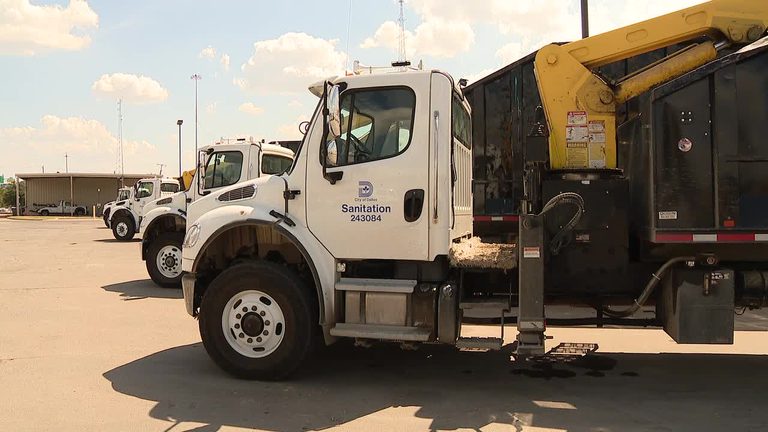
Dallas has rolled out AI‑powered cameras on its trash trucks as part of a city‑wide effort to identify code violations more quickly. A memo released on September 8 by the City of Dallas details that the cameras, supplied by City Detect, have scanned roughly 10,000 properties since early 2026.
How the system works
The cameras automatically capture images of homes and buildings as the trucks travel their routes. When the software flags a potential violation, a city code officer conducts an in‑person inspection before issuing a notice or citation. To date, the program has produced 3,700 violation notices and 57 citations across 34 properties.
Cost and funding
The city estimates the annual expense for the AI cameras at $852,000. Officials argue that the investment saves money in the long run by allowing code officers to target problem areas more efficiently, reducing the need for costly, reactive clean‑up efforts.
Councilman Chad West’s perspective
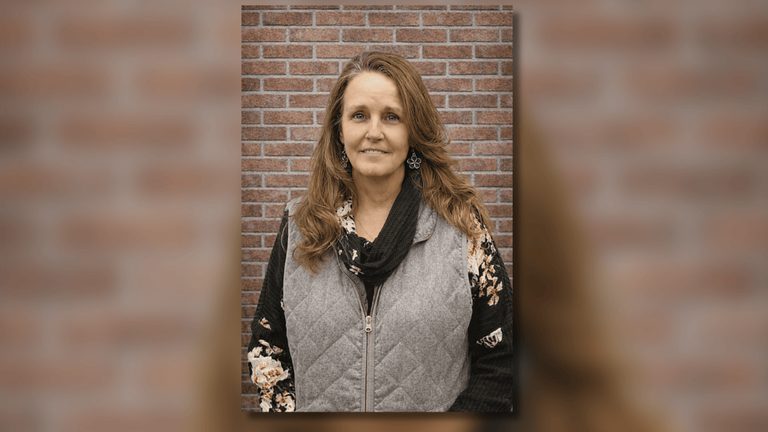
Dallas City Councilman Chad West told FOX 4 that the technology “changes how Dallas approaches blight.” He explained that, rather than waiting for a resident to call, the cameras can alert code officers to issues before they become larger problems. West also voiced concerns about privacy, asking, “Does the city have the protections in place to make sure my home, your home, our residents’ homes, and our privacy are protected, number one?”
Equity concerns
West noted that 70% of the citations generated from the camera data have come from predominantly African American neighborhoods, prompting questions about whether the technology is being applied equitably. He urged the city to examine the data closely and ensure that all residents receive fair treatment.
Next steps
Dallas City Manager Kim Tolbert will brief the council on October 19 about the program’s performance, costs, and any recommended adjustments. The briefing will address both the effectiveness of the AI system in reducing blight and the privacy safeguards that residents have asked for.
Community response
Some Dallas residents welcome the proactive approach, hoping it will lead to cleaner streets and safer neighborhoods. Others remain wary, citing the broader debate over surveillance technologies like the city’s Flock cameras. The conversation reflects a balance between modernizing city services and protecting individual privacy—a balance the city says it is committed to achieving.
Original reporting: Dallas – Ft. Worth Feed (HLL/CB) — read the source article.