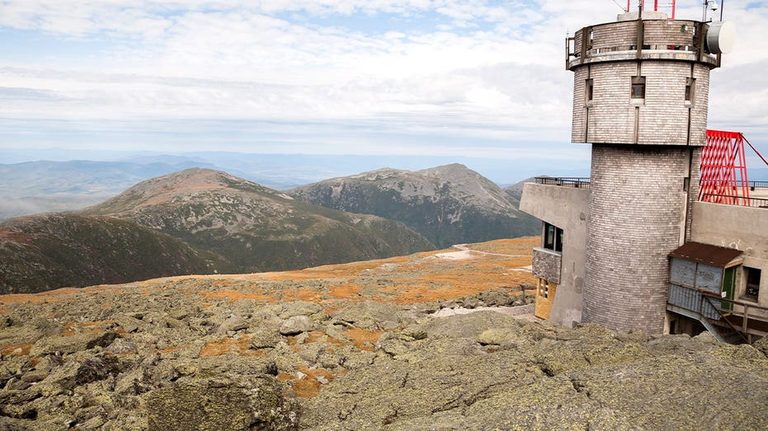


Connecticut native Kurt Siuzdak embarked on an early‑morning hike up New Hampshire’s Mount Washington on Tuesday, aiming to reach the famed summit before the day’s heat set in. The New Hampshire Fish and Game Department confirmed that around 10 a.m., while navigating the Lakes of the Clouds section, Siuzdak slipped on a wet granite slab, causing a dislocated shoulder and a back injury.
Self‑care on the mountain
Despite the pain, Siuzdak did not abandon his climb. He managed to reset his dislocated shoulder on his own, a feat officials described as a testament to his preparation. The department noted that Siuzdak had packed essential gear, including warm clothing and a first‑aid kit, exactly as the agency recommends for all hikers tackling the region’s challenging terrain.
After resetting his shoulder, Siuzdak chose to press on, moving slowly but steadily toward the summit. Approximately five hours later, another hiker located him and relayed his determination to rescue teams. When two state officers descended to meet him at about 5 p.m., Siuzdak was still making his way upward, flanked by the officers for safety.
Reaching the summit and seeking care
Siuzdak ultimately reached the summit under his own power, a remarkable achievement given his injuries. Emergency personnel evaluated him at the peak and, after confirming he was stable, he requested to be taken to his vehicle so he could drive himself to urgent care for further treatment.
The New Hampshire Fish and Game Department praised Siuzdak’s adherence to safety guidelines, emphasizing that his preparedness with proper clothing and a first‑aid kit “turned out to be much needed after his accident.” The agency highlighted the importance of such preparation for all hikers, especially on Mount Washington, where weather can shift rapidly and terrain can become treacherously slick.
Safety reminders for hikers
Officials urge anyone planning to hike Mount Washington or similar high‑elevation trails to:
- Check weather forecasts and be prepared for sudden changes.
- Carry appropriate gear, including warm layers, waterproof footwear, and a fully stocked first‑aid kit.
- Hike with a partner or inform someone of your route and expected return time.
- Know basic first‑aid techniques, such as how to address a dislocated joint, while recognizing the limits of self‑treatment.
Siuzdak’s experience serves as a vivid reminder that thorough preparation and personal resilience can make the difference between a dangerous situation and a successful, albeit painful, summit.
Original reporting: Fox News (HLL/CB) — read the source article.