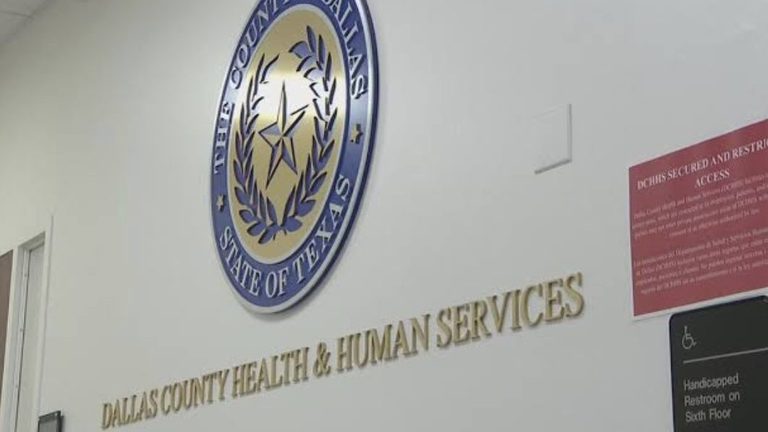
Dallas County Health and Human Services (DCHHS) announced that the first heat‑related death of the 2026 season has been confirmed. The individual, who was in their 50s and suffered from pre‑existing medical conditions, succumbed to extreme heat, according to the agency.
What officials are saying
“The confirmation of a heat‑related death underscores the serious health risks associated with extreme temperatures,” DCHHS Director Dr. Philip Huang said in a statement. “Texas heat can become dangerous quickly.” Dr. Huang urged residents to look after family members, friends and neighbors, especially older adults, children and anyone with chronic health issues.
Safety recommendations for residents
DCHHS provided a list of practical steps to reduce heat‑related risk:
- Drink water regularly and avoid alcohol on hot days.
- Limit outdoor activity during the hottest period, typically between 3 p.m. and 7 p.m.
- Seek air‑conditioned environments whenever possible.
- Take frequent shade breaks if you must be outdoors.
- Never leave people or pets unattended in parked vehicles.
For those without working air conditioning, the county offers an emergency window A/C unit program. Residents can call 214‑819‑1909 to apply for assistance.
Why heat safety matters in Dallas County
Dallas County experiences some of the most intense summer temperatures in the nation. Prolonged exposure to high heat can exacerbate heart disease, diabetes, respiratory conditions and other chronic illnesses. Public‑health officials stress that community vigilance—checking on vulnerable neighbors and sharing resources—can save lives.
How to stay informed
Residents should monitor local weather forecasts, heed any heat advisories issued by the National Weather Service, and follow updates from DCHHS on their website or social media channels. Local churches, civic groups and neighborhood associations often organize check‑in calls or cooling‑center referrals during extreme heat events.
By taking these precautions and looking out for one another, Dallas County can mitigate the dangers of the summer heat and protect its most vulnerable citizens.
Original reporting: Dallas – Ft. Worth Feed (HLL/CB) — read the source article.