Washington — The nation’s largest cyclospora outbreak to date has expanded, with federal health agencies confirming cases in 20 states after the recall of contaminated iceberg lettuce. The Food and Drug Administration (FDA) announced Thursday that three additional states—Georgia, Tennessee and Texas—have reported infections, bringing the total number of sickened individuals to 11,458, up from roughly 10,900 the previous week.
Federal response and ongoing investigation
The FDA, together with the Centers for Disease Control and Prevention (CDC) and state health departments, continues to focus its investigation on lettuce grown at a central‑Mexico farm operated by Taylor Farms, a major U.S. produce supplier. FDA staff are conducting inspections and testing at the farm in cooperation with Mexican officials, and the agency says it remains confident that all recalled iceberg lettuce tied to this cyclospora outbreak has been removed from the market.
What is cyclospora?
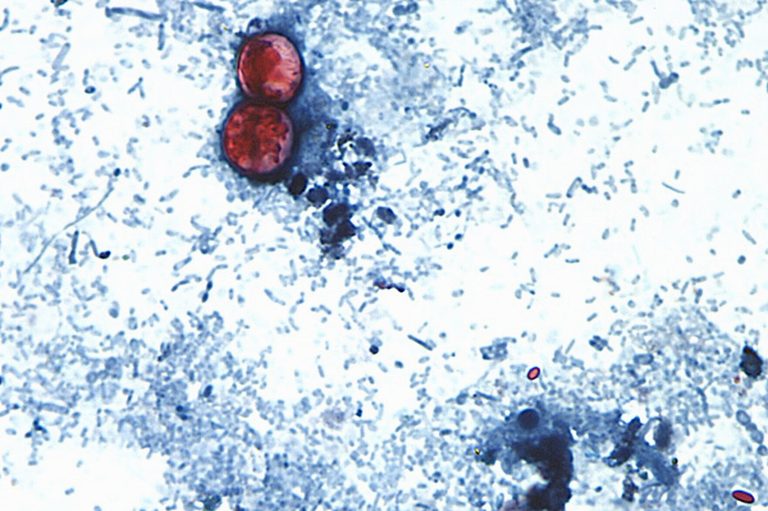
Cyclospora is a microscopic parasite that causes watery diarrhea, often accompanied by frequent and sometimes explosive bowel movements, according to the CDC. The parasite thrives in warm conditions and typically spreads through fecal contamination of food or water. While cyclospora infections are less common than those caused by salmonella or E. coli, outbreaks tend to peak in late spring and summer.
Scope of the outbreak
To date, the CDC estimates about 29,000 confirmed or suspected cyclospora cases nationwide this year, with 922 hospitalizations. The current outbreak surpasses the previous worst year, 2019, when roughly 4,700 illnesses were reported. The recent surge underscores the importance of rigorous food‑safety protocols and swift public‑health communication.
What families can do
Health officials advise anyone who purchased iceberg lettuce before the recall to discard it or return it to the retailer for a refund. Consumers should also practice good hand‑washing hygiene, especially after handling raw produce, and seek medical attention if they experience prolonged diarrhea, fever, or dehydration.
Looking ahead
The FDA and CDC will continue to monitor the situation, issue updates as new data emerge, and work with state partners to ensure that any remaining contaminated product is removed from shelves. The agencies also emphasize the need for ongoing vigilance in food production, both domestically and abroad, to protect public health.
Original reporting: KTBS 3 (Shreveport) — read the source article.