Homelessness in Connecticut is no longer hidden from view, with many working families struggling to keep a roof over their heads. The state has often treated homelessness as a charitable concern or an emergency response problem, rather than a housing systems issue.
A Better Approach
The lesson of the last 20 years is clear: Connecticut can build a better homelessness response system, but it cannot end homelessness without building a better housing system. Twenty years ago, four shelters in Fairfield County began working together to reduce chronic homelessness and improve access to housing resources across the region.
This collaboration, initially called Fairfield ‘08, now known as the Housing Collective, helped transform how Connecticut approached homelessness response, emphasizing shared goals, data-driven decision-making, and regional coordination over fragmented systems and silos. The results were significant, with Fairfield County seeing a decrease in homelessness across multiple populations.
Expanding Affordable Housing
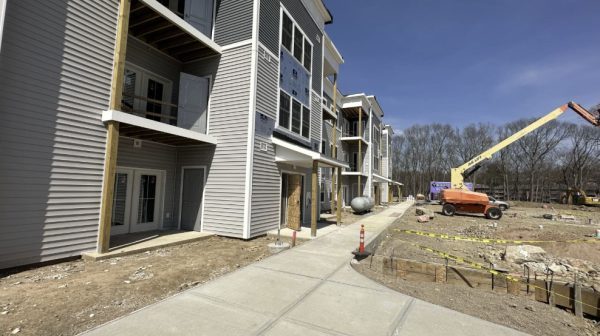
To meet the need for affordable housing, the Housing Collective spurred the creation of the Centers for Housing Opportunity. Together, they help communities understand local housing needs, create pathways for affordable homes to be approved, financed, and built, preserve existing affordable homes, and build the public will needed to move from plans to action.
However, the pressures Connecticut faces today are testing those gains, with a 10% increase in homelessness. The state must finally treat housing as essential infrastructure, expanding affordable and supportive housing, investing in prevention, preserving affordable homes, strengthening regional coordination, and modernizing crisis response systems.
Original reporting: The Connecticut Mirror — read the source article.