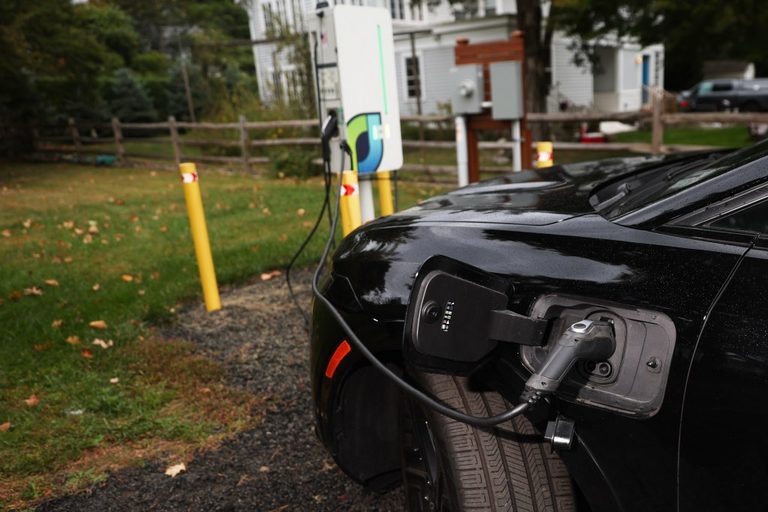
As the number of electric vehicles (EVs) on the road increases, Connecticut is considering a tax on these vehicles to offset the lost revenue from gasoline taxes. With over 73,000 EVs registered in the state, lawmakers argue that the Special Transportation Fund, which pays for road repairs and mass transit, is in trouble if EV adoption rates continue to rise.
The Current Situation
Currently, EV owners in Connecticut pay a registration fee of $57 every three years, while traditional internal combustion engine car owners pay about 43 cents per gallon in gasoline taxes. This disparity has led some to question whether EV owners are paying their fair share. In other states, such as Pennsylvania and Vermont, EV owners are required to pay an annual fee, ranging from $62.50 to $250.
The proposed bill in Connecticut would have raised registration fees for battery electric vehicles to $345 every three years and for plug-in hybrids to $233 every three years. However, the bill died in committee due to unanimous opposition from the public, with 54 people testifying against it and none in favor.
Environmental Concerns
Opponents of the tax argue that it would discourage the adoption of EVs, which are seen as a more environmentally friendly option. Connecticut has a state policy of reducing auto emissions, and some argue that taxing EVs would run counter to this goal. On the other hand, lawmakers argue that the Special Transportation Fund needs to be replenished to ensure that the state’s roads and mass transit systems are properly maintained.
As the debate over taxing EVs continues, it remains to be seen whether Connecticut will join the growing list of states that have implemented such a tax. With the increasing popularity of EVs, it is likely that this issue will remain a topic of discussion in the state legislature for years to come.
Original reporting: The Connecticut Mirror — read the source article.