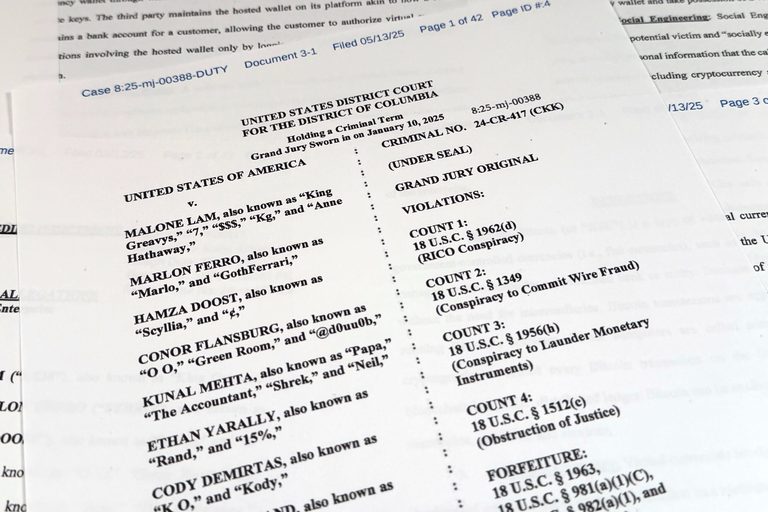
Washington — A massive cryptocurrency theft that siphoned more than $240 million in Bitcoin has culminated in a high‑profile federal crackdown, underscoring a near‑50 % jump in crypto‑fraud complaints in 2025. The crime, carried out by a loosely organized network of men in their late teens and early twenties, sparked a lavish spending binge that included private jets, sports cars and multi‑million‑dollar night‑club tabs.
Arrests and Charges
Federal agents arrested alleged ringleader 22‑year‑old Malone Lam, a Singapore‑born eighth‑grade dropout, after a month‑long spree that saw him and his associates splurge on luxury items across Los Angeles, Miami and the Hamptons. Lam faces charges of social‑engineering fraud, money laundering and racketeering. Seventeen co‑defendants have been charged, with eleven already pleading guilty or awaiting sentencing.
How the Theft Unfolded
Prosecutors say the scheme began on Aug. 18, 2024, when a Washington, D.C., resident—identified in court filings as “Victim 7”—received a call from someone posing as a Google representative, followed by a second caller claiming to be from the Gemini exchange. The impostors coaxed the victim into revealing Google‑Drive credentials and two‑factor security codes, granting the scammers access to his crypto wallet. Using that access, they transferred over 4,100 Bitcoin to a series of exchange accounts.
Investigators later traced one of the conspirators, Jeandiel Serrano, to an IP address linked to a rented home in Encino, California. Serrano’s mistake—failing to mask the IP—allowed law‑enforcement to connect him to nearly $30 million of the stolen crypto.
Lavish Lifestyle Exposed
Lam and his crew converted the stolen digital assets into cash and tangible goods. Court documents detail purchases that include a $2 million watch, more than 30 high‑end vehicles—custom Porsches, Lamborghinis and Ferraris—and $4 million spent at nightclubs in a single month. One associate, Veer Chetal, gifted a Lamborghini to his parents and allegedly hid $500,000 in cash inside a laundry machine.
Authorities also uncovered a $37 million cache of stolen cryptocurrency in a New Jersey apartment belonging to Chetal, who has agreed to cooperate with investigators.
Policy Context
The case arrives amid a broader trend of rising crypto‑related crime. Complaints to the FBI rose by almost half in 2025, while the Trump administration has largely stepped back from a regulatory crackdown on the volatile industry. In 2025, the Justice Department disbanded its dedicated crypto‑crime unit, and the administration’s hands‑off stance follows a period of perceived “unfair treatment” of crypto firms under the previous Democratic administration.
Cybersecurity researcher Allison Nixon, who tracks the underground hacker subculture known as “The Com,” urged Congress and the Department of Justice to allocate more resources to combat such schemes, warning that without decisive action the problem will only expand.
Legal Outcomes and Sentencing
U.S. Magistrate Alicia Valle expressed astonishment at the opulent spending during Lam’s initial court appearance, likening the scene to “Ferris Bueller gone bad.” Prosecutors estimate that Lam faces a minimum of 14 years in prison if convicted. Other defendants have already received sentences ranging from six years to probation, with judges emphasizing that youthful indiscretion does not excuse large‑scale fraud.
As the federal case proceeds, it serves as a stark reminder that the promise of cryptocurrency can quickly turn into a conduit for sophisticated fraud, especially when regulatory oversight is limited.
Original reporting: Alexandria, VA News – WTOP News — read the source article.