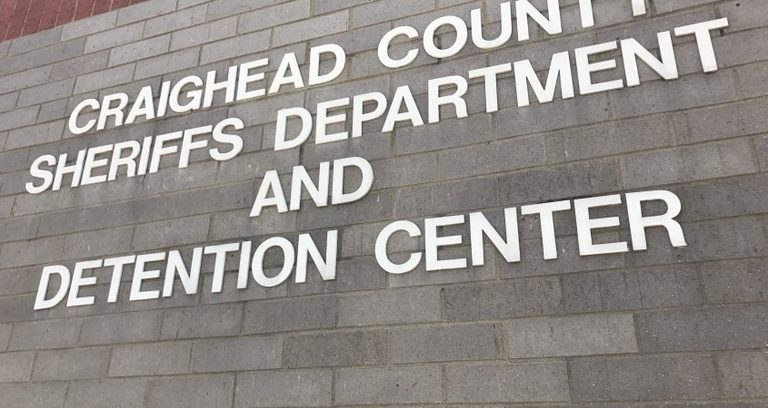
On October 26, the Craighead County Quorum Court approved two significant measures affecting public safety personnel and the county’s detention system. The first ordinance creates a longevity pay program for certified sheriff’s office deputies, while the second raises daily housing rates for adult and juvenile inmates.
Longevity Pay Program for Deputies
The new pay structure rewards deputies for each year of service during their first 20 years. Under the ordinance, officers will earn $500 for every year served, with lump‑sum additions applied at five‑year milestones at the sheriff’s discretion. The scheduled salary boosts are:
- Five years of service – $2,500
- Ten years of service – $5,000
- Fifteen years of service – $7,500
- Twenty years of service – $10,000
This program replaces a previous policy that provided a flat $1,500 increase for first‑class deputies. Sheriff Marty Boyd emphasized that retaining experienced officers protects the county’s investment in training and helps maintain public safety. The ordinance also includes an emergency clause, making the pay plan effective immediately upon passage and approval.
Increased Jail Housing Rates
In addition to the pay plan, the court voted to raise daily detention fees. Effective January 1, 2027, the rate for housing adult inmates from within Craighead County will increase from $55 to $65 per day. For adult inmates from outside the county, the daily fee will rise from $60 to $70 immediately for municipalities without a current monthly jail contract.
The ordinance notes that most surrounding cities already have contracts with the county jail, but the cost of providing basic needs for inmates has grown substantially. Adult housing fees have not been increased since 2021, prompting the need for an adjustment. The ordinance also mandates an annual review of these fees to ensure they remain aligned with actual costs.
Juvenile detention rates will increase from $100 to $125 per day, also effective immediately. The county’s juvenile housing fees have not changed since 2023 and were deemed insufficient to cover the rising expenses of caring for younger inmates. The Public Services Committee recommended that the juvenile increase, along with the adult rate for non‑contract cities, take effect without delay rather than waiting until the new year.
Rationale and Community Impact
County officials framed both measures as necessary steps to sustain a professional law‑enforcement workforce and to ensure the jail system can meet basic standards of care. By tying pay increases to years of service, the county aims to reduce turnover, preserve institutional knowledge, and avoid the costs associated with recruiting and training new deputies.
Similarly, the fee adjustments are presented as a response to inflationary pressures and the growing cost of food, medical care, and security for inmates. The annual review clause provides a mechanism for future adjustments, helping the county avoid sudden, large jumps in fees that could strain municipal budgets.
Next Steps
The longevity pay ordinance includes an emergency clause, meaning the salary additions can be applied as soon as the court’s approval is finalized. The detention‑rate increases will be reflected in the county’s billing statements to municipalities beginning in January 2027 for local inmates and immediately for out‑of‑county inmates.
Both measures reflect the Quorum Court’s focus on fiscal responsibility, public‑safety staffing stability, and the prudent management of county resources. Residents and local officials are encouraged to review the full ordinance text, which is available on the Craighead County website, for detailed information on implementation timelines and any applicable exemptions.
Original reporting: NEA Report (Jonesboro) — read the source article.