Manhattan’s Upper West Side is seeing a wave of storefront vacancies as long‑standing restaurants and bars struggle with higher operating costs and shifting consumer habits. In response, a local councilmember has introduced legislation aimed at protecting small‑business tenants from sudden rent spikes.
Proposed lease reforms
The measure would eliminate informal “handshake” lease agreements, which many tenants say leave them vulnerable to unexpected rent increases. It would also allow commercial tenants to automatically renew their leases for up to one year, with any rent increase limited to a maximum of 10 percent.
Community Board 7 member and commercial real‑estate broker Doug Kleiman praised the proposal, noting that the Upper West Side is “generally trending in a really good place” and that vacancy rates appear to be declining. “The prices have come down,” Kleiman said, adding that the legislation could give small businesses a more stable footing.
Local businesses feel the pressure
Owners on the neighborhood report that the post‑COVID environment has reshaped dining and drinking habits. Jeremy Wladis, proprietor of Harvest Kitchen, which has employed more than 40 staff for nearly two decades, warned that “the economy is crushing us, tourism is crushing us” and that delivery fees and changing diets are squeezing margins.
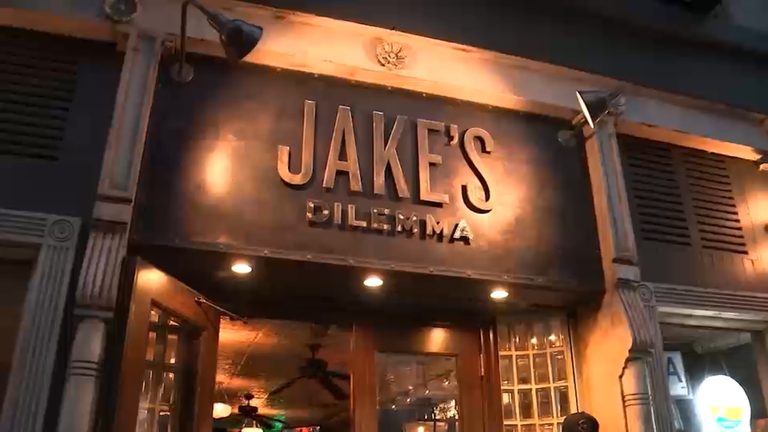
Jake’s Dilemma, a bar that has served the community for 32 years, announced plans to close its doors within weeks, underscoring the urgency of finding solutions for struggling merchants.
Broader cost concerns
Andrew Rigie of the NYC Hospitality Alliance highlighted that rent relief alone will not solve the problem. He pointed out that many small‑business owners also shoulder a growing share of property taxes, which have risen sharply in recent years, adding another layer of financial burden.
While the proposed bill focuses on lease terms, Rigie urged policymakers to consider a comprehensive approach that addresses both rent and tax pressures.
What the legislation means for the community
If passed, the bill would give tenants a clearer path to lease renewal and protect them from abrupt, steep rent hikes that can force closures. By standardizing lease practices, the city hopes to retain the neighborhood’s character and keep jobs that support families across the Upper West Side.
Critics note that larger vacant spaces, such as those on Broadway, may require additional strategies beyond lease reform. Nonetheless, supporters argue that stabilizing smaller storefronts is a vital first step toward revitalizing the commercial corridor.
Next steps
The proposal will be reviewed by the City Council’s Committee on Housing and Community Development before moving to a full council vote. Community members and business owners are encouraged to submit comments during the public hearing period.
Original reporting: Brookhaven News – ABC7 New York — read the source article.