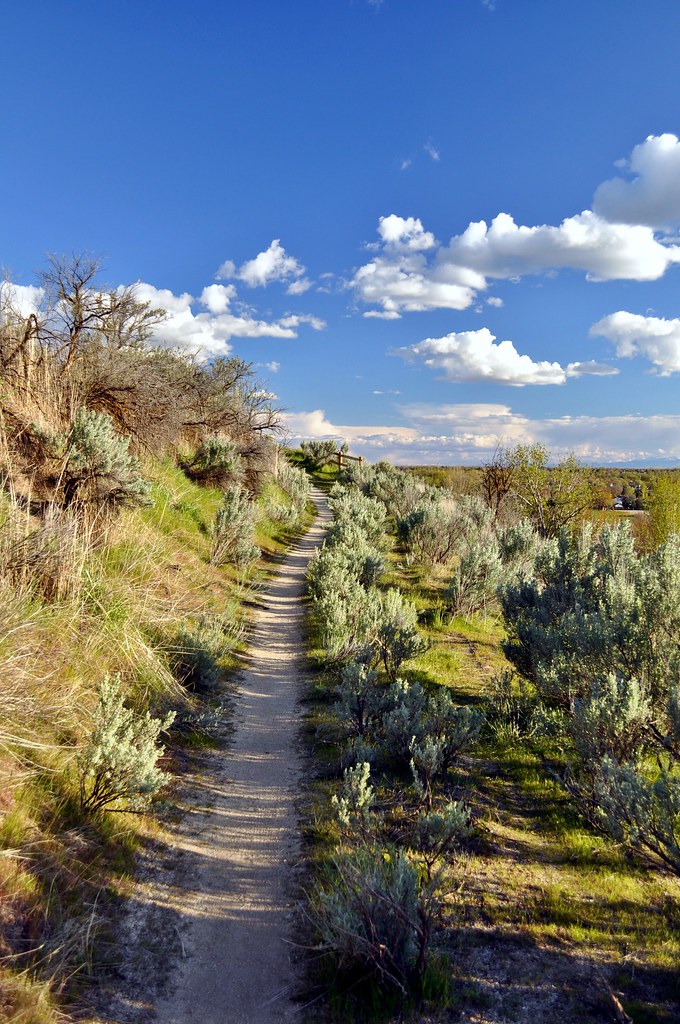
Early on a Tuesday in late September, the parking pullout on Cartwright Road holds maybe three cars. By the time the trail bends upward past the first dry creek crossing, the sounds of the North End have faded entirely. This is Seaman’s Gulch, a roughly four-mile out-and-back loop that climbs into the Boise Foothills without the crowds that pack Camel’s Back or the longer haul of Hulls Gulch. It is not glamorous. It is genuinely good.
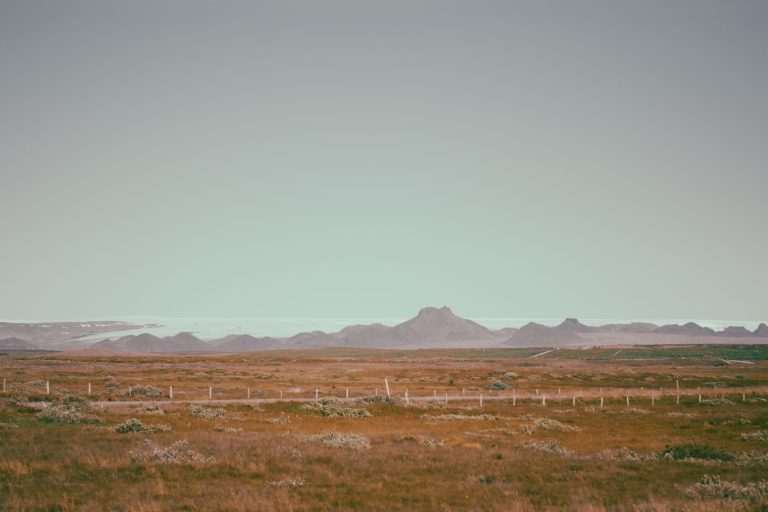
The trail begins off Cartwright Road, northeast of the Hyde Park neighborhood, and gains elevation steadily from the start. The first mile follows a creek drainage thick with chokecherry and serviceberry, the kind of scrubby riparian growth that turns surprisingly vivid in early fall. Higher up, the terrain opens into classic high desert — bunchgrass slopes, scattered basalt outcroppings, wide views back toward the valley. On a clear morning, the Capitol dome is visible from the upper saddle.
The elevation gain runs around 800 feet over two miles, which puts it squarely in the moderate category for anyone who gets outside regularly and firmly in the hard category for anyone who doesn’t. The footing is mostly packed dirt with loose rock on steeper sections, and the trail narrows enough in spots that two people pass with a polite sidestep. Poles are useful in wet weather; the upper pitches drain slowly after rain.
What makes Seaman’s Gulch worth knowing is the quiet-to-payoff ratio. On weekday mornings and evenings, trail traffic is light — a few dog walkers, the occasional mountain biker coming downhill fast enough to require attention. Weekend afternoons get busier but never approach the shoulder-to-shoulder congestion of the trails closer to downtown. The foothills trail system connects here into a broader network, so runners and cyclists often use the gulch as a connector rather than a destination, which keeps the mood unhurried.
Wildlife is a reasonable expectation rather than a marketing promise. Red-tailed hawks are common overhead. In early morning, mule deer graze the open slopes before retreating uphill. The creek holds water through spring and into early summer, which brings songbirds into the drainage in numbers worth pausing for.
There are no facilities — no restrooms, no water, no interpretive signs. The trailhead is an unsigned pullout. Cell service is inconsistent once the trail climbs above the first ridge. For anyone accustomed to managed recreation areas, this feels like a gap; for the regulars who use Seaman’s Gulch, it is part of the appeal.
Access is free, as it is throughout the Boise Foothills system managed by Boise City’s parks department. The trail is open year-round, though snow and ice make the upper sections hazardous from December through February. Summer afternoons are hot; the exposed upper half offers no shade, and temperatures on south-facing slopes run significantly warmer than the valley floor. Morning and evening hours in summer are the practical choice.
Parking along Cartwright Road is limited and informal. Arriving early in the day or midweek avoids any real inconvenience. Dogs are welcome on leash. The return trip, mostly downhill with the whole of the Treasure Valley laid out ahead, takes about half the time and twice the satisfaction of the climb up.