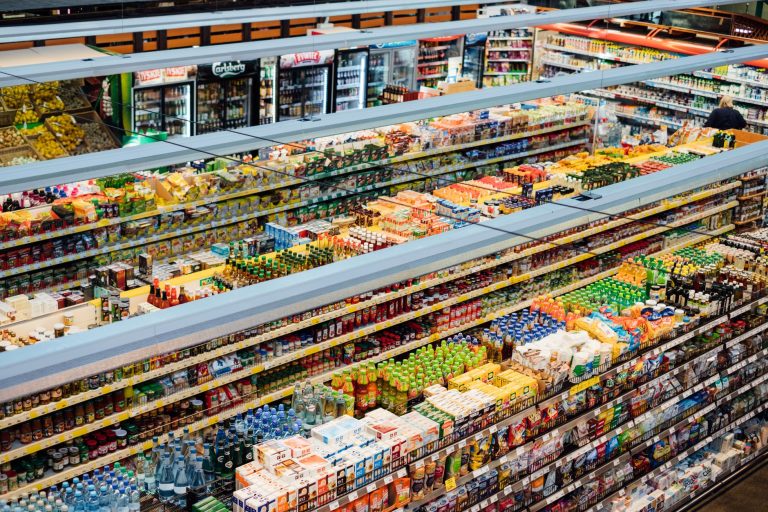
Families across the country are juggling work, school and church commitments, leaving little time to cook from scratch. A new report from market‑research firm Circana shows that about half of all meals are now prepared in under five minutes, making speed a normal part of everyday eating.
Balancing Speed and Nutrition
David Portalatin, Circana’s senior vice president and food‑service industry advisor, notes that Americans are learning to balance convenience with nutrition as their eating habits evolve. Food companies are responding by creating products that fit a hectic schedule while still delivering the protein and fiber many shoppers look for.
Expert Guidance on Quick, Healthy Choices
Registered dietitians caution against rigid “clean‑eating” rules that can be hard to sustain. Jessie Furman of the University of Florida’s Department of Recreational Sports warns that overly strict approaches often lead people to eliminate foods they don’t need to avoid.
Instead, dietitians recommend leaving room for pre‑prepared items that help build a balanced plate without extensive cooking. A University of Virginia Health blog highlights rotisserie chicken and precooked grains as convenient staples that can be combined with fresh vegetables for a complete meal.
What Nutrients Matter Most?
Two nutrients dominate shoppers’ quick‑meal checklists: protein and fiber. A 2025 International Food Information Council survey found that most Americans associate protein with muscle health and energy, while fiber is prized for supporting digestion and overall nutrient density.
Daphne Altema‑Johnson, a registered dietitian at Johns Hopkins Center for a Livable Future, explains that many fiber‑rich foods also provide essential vitamins and minerals, encouraging consumers to look beyond calories alone.
Label Awareness Is Growing
According to the International Food Information Council, 79% of Americans say they check nutrition or ingredient information at least sometimes while shopping. Shoppers are increasingly scanning for protein, fiber, sugar and sodium levels before placing items in their carts.
Industry Moves to Make Healthy Convenience Easier
Food manufacturers are improving packaging and preservation to keep nutrients intact longer. Stella Nordhagen of the Global Alliance for Improved Nutrition notes that better packaging extends shelf life, giving stores and households more time to use products before they spoil.
Refrigeration and freezing technologies also allow perishable items to travel longer supply chains while retaining nutritional value, giving producers more flexibility to add wholesome ingredients without extra home preparation.
Combating Decision Fatigue
Nutrition experts point out that the mental strain of repeatedly deciding what to eat can lead to “decision fatigue,” causing people to default to the easiest option. Alyssa Post, a registered dietitian nutritionist with Banner Health, says this fatigue can push shoppers toward less nutritious choices.
Emma Beckett, a nutrition lecturer at Australian Catholic University, recommends keeping healthier options within easy reach so that low‑energy moments don’t result in poor meals.
Technology Helps Simplify Choices
Floor van de Horst, global marketing director of performance and active nutrition at FrieslandCampina, says artificial intelligence is making personalized nutrition guidance more accessible, helping shoppers find products that match their health goals.
Julie Chapon, co‑founder of the Yuka app, adds that barcode scanning lets consumers instantly see a food’s rating and discover better‑rated alternatives, reducing the time spent deciphering complex labels.
Bottom Line
Busy families can maintain good nutrition without sacrificing precious time. By choosing pre‑prepared proteins and fiber‑rich foods, paying attention to labels, and using technology‑driven tools, shoppers can meet their health goals while keeping meals quick and convenient.
Original reporting: KRDO (Colorado Springs metro) — read the source article.