In a recent study conducted by Consumer Reports, researchers examined the flow of data from vehicles equipped with connected‑car technology. The team, based at Northeastern University, visited Consumer Reports’ auto test center in Connecticut and monitored the signals emitted by the test fleet.
Key findings
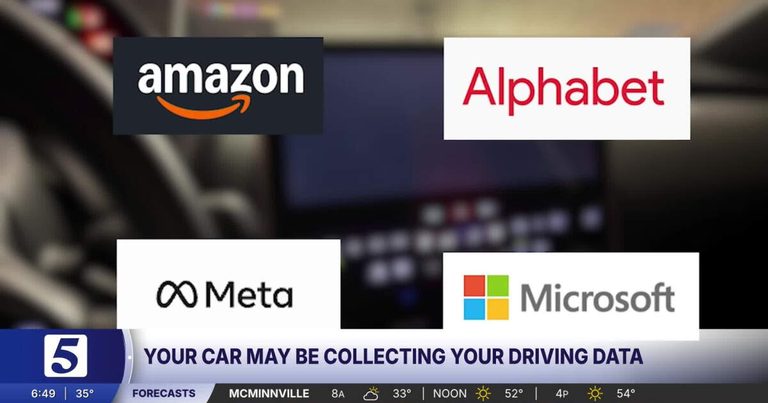
The analysis identified several of the world’s largest technology firms as primary recipients of vehicle data. Amazon, Alphabet (Google), Meta, and Microsoft were among the top companies that could receive information such as location, speed, and driving habits. Consumer Reports warned that such data could be compiled into detailed profiles that might be useful to banks, insurers, and even pharmaceutical companies.
Automaker responses
When asked about the findings, several manufacturers said drivers typically opt in to data sharing when they install connected‑car apps. Representatives from GM, Honda, Nissan, and Stellantis noted that some third‑party partners are prohibited from using or selling the data independently. After reviewing the research, Honda reportedly instructed one vendor to delete location data it had collected.
What drivers can do
Surveys cited by Consumer Reports indicate that many vehicle owners accept terms and conditions without fully understanding the implications. The organization recommends that drivers read the agreements carefully, visit their automaker’s website or app settings, and consider opting out of data sharing where possible. Turning off location services in the app may also limit the amount of information transmitted.
Consumers should be aware that opting out could affect certain connected features, such as automatic roadside assistance or real‑time traffic updates. Some manufacturers only honor opt‑out requests from residents of states with robust privacy statutes. California was the first state to enact such a law, and more than a dozen states have followed suit.
Broader context
The study adds to ongoing national conversations about digital privacy and the balance between convenience and personal data protection. While the findings highlight potential risks, they also show that automakers are responsive to privacy concerns and are taking steps to give drivers more control over their information.
Consumers who want to safeguard their driving data should stay informed about their vehicle’s software updates, review privacy settings regularly, and contact their dealer or manufacturer if they have questions about data handling practices.
Original reporting: NewsChannel 5 WTVF (Scripps) – local — read the source article.