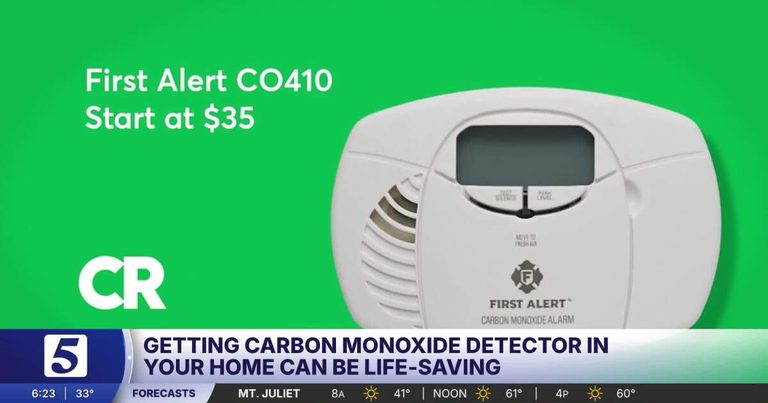
Every family deserves the peace of mind that comes from knowing their home is safe from the invisible threat of carbon monoxide (CO). The nonprofit consumer‑advocacy group Consumer Reports recently reminded readers that a modestly priced detector can literally save lives, especially for households that rely on fuel‑burning appliances such as furnaces, water heaters, or generators.
Why carbon monoxide is a hidden danger
Carbon monoxide is a colorless, odorless gas that can accumulate when combustion devices malfunction or are improperly vented. Because it cannot be seen, smelled, or tasted, it can silently poison occupants. The agency reports that more than 400 Americans die each year from CO poisoning, and many more suffer serious illness.
A personal reminder of the risk
Consumer Reports senior editor Paul Hope knows the danger firsthand. One cold morning, his home’s boiler kicked on and set off his CO alarm. Hope and his wife acted quickly, evacuating their family and pets before the gas could cause harm. “The alarm was the only warning that anything was wrong,” said Gabe Knight, another Consumer Reports expert, underscoring the vital role of a functioning detector.
Choosing the right detector
Consumer Reports’ testing shows that not all detectors perform equally. The organization recommends a battery‑powered First Alert model for its reliable response time. Homeowners who prefer a plug‑in unit may consider a Kidde detector, which also met the group’s standards.
For families on the go, portable CO detectors earned top scores in the same tests. These compact devices can be taken on road trips or used as an extra layer of protection in a primary residence, especially in areas where power outages are common.
What to look for when buying
Consumers should verify that any detector they purchase carries a certification label from UL, ETL, or CSA. These marks confirm that the device meets established safety standards. Consumer Reports makes its full CO detector ratings available for free online, allowing shoppers to compare models before buying.
How to respond when the alarm sounds
If a detector sounds, the guidance is clear: leave the building immediately and call emergency services. CO poisoning symptoms—headache, nausea, shortness of breath, confusion, or drowsiness—can mimic other illnesses, making the alarm’s warning essential.
Protecting your family and community
Installing a CO detector is a simple act of stewardship that aligns with the values of responsible families and faith‑centered households. It reflects a commitment to safeguarding loved ones and honoring the biblical principle of caring for one’s household.
Homeowners should test their detectors monthly, replace batteries at least once a year, and replace the entire unit every five to seven years, or sooner if the device’s indicator light signals a problem. By staying vigilant, families can prevent the tragic loss of life that still occurs far too often across the nation.
For more detailed ratings and purchasing tips, visit Consumer Reports’ website and search for “carbon monoxide detector ratings.”
Original reporting: NewsChannel 5 WTVF (Scripps) – local — read the source article.