Washington – A new policy brief released Tuesday by the Advancing American Freedom (AAF) institute, a conservative organization founded by former Vice President Mike Pence, outlines ten proposals aimed at easing the nation’s affordability crisis. The report, titled “10 Ways to Improve Affordability Now Across 10 Levels of the Economy,” frames soaring housing, food and energy prices as the top concern for American households.
Key proposals focus on trade and credit costs
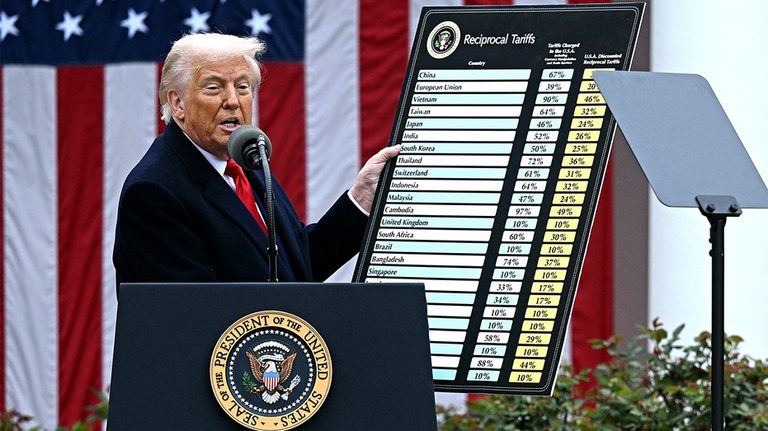
The authors argue that President Donald Trump’s expansive tariff program has unintentionally raised consumer prices, strained U.S. alliances and cost the economy nearly 900,000 jobs. To address this, the report recommends shifting greater tariff authority back to Congress, allowing elected representatives to weigh the impact of trade measures on everyday Americans.
In addition, the brief opposes the administration’s proposal to cap credit‑card interest rates at 10 percent. Analysts at AAF warn that such a cap could make lending unprofitable for roughly 60 percent of borrowers, potentially restricting credit access for many families.
Housing and zoning reforms
Housing costs are highlighted as a major driver of financial strain. Richard Stern, vice president of the Plymouth Institute for Free Enterprise at AAF, points to zoning restrictions that push families farther from jobs and make homeownership less attainable for younger Americans. Citing a National Association of Home Builders estimate that government regulations account for about 26 percent of the price of a new single‑family home, the report calls for limiting local zoning barriers, streamlining approvals for projects that meet existing rules, and tying roughly $50 billion in annual federal housing aid to zoning reform.
Energy production and domestic supply
On the energy front, the AAF proposal advocates expanding oil and gas leasing and rejecting state bans on fracking. Stern argues that increased domestic production would lower energy costs across the economy, noting that energy touches “every good we move, every service provided.”
Broader economic philosophy
The authors frame the affordability debate as a question of whether Americans can continue to build a better future for their families. Stern cautioned that rising costs can foster resentment and “turn Americans against one another,” describing such division as akin to socialism. He emphasized that the report does not blame businesses or entrepreneurs, but rather points to government regulation as the primary obstacle to lower prices.
Alignment with broader conservative agenda
While the blueprint echoes many elements of President Trump’s second‑term agenda—such as deregulation and increased domestic energy production—it diverges on two pocket‑book issues: tariffs and credit‑card interest caps. By advocating for congressional oversight of trade policy and rejecting the proposed interest‑rate ceiling, the report seeks to balance market freedom with consumer protection.
As the midterm elections approach, the AAF brief adds another layer to the national conversation about how best to address the cost‑of‑living squeeze that many families feel. Whether policymakers will adopt any of the ten recommendations remains to be seen, but the document underscores the growing pressure on elected officials to deliver tangible relief for American households.
Original reporting: Fox News (HLL/CB) — read the source article.