State officials on Tuesday unveiled the final recommendations of a working group convened by Governor Ned Lamont earlier this year to prevent a looming tax increase for Connecticut farmers and to modernize the state’s farmland‑valuation process.
Background on Public Act 490
Public Act 490, a decades‑old law, taxes farmland based on its current agricultural use rather than the market value a developer might obtain. Every five years, the state surveys farmers to set a schedule of values that local assessors use to calculate property taxes.
Last year’s revaluation effort ran into low response rates and incomplete data, resulting in valuation spikes of over $1,000 per acre for the most productive farmland. The least valuable parcels—classified as swamp, ledge or scrubland—saw a staggering 2,325 % increase, prompting widespread farmer protest.
Working Group Findings
Ben Freund, co‑owner of Freund’s Farms in East Canaan and a member of the PA 490 working group, said the core problem was “the lack of data.” He explained that the limited data set forced officials to construct valuations from a handful of points, leading to “extreme perversions of the valuations.”
To improve data quality, the group recommends that landowners participating in PA 490 report lease and land‑use information to town officials annually instead of every five years. The new form would also allow reporting of land rented out barter‑style or for free, data that was previously omitted.
Under the proposal, any valuation increase exceeding 20 % for a specific land type would trigger an automatic review by a committee of farmers, municipal leaders, and assessors.
Legislative Path and Implementation Timeline
Several recommendations, including the annual reporting requirement, will need legislative approval. Lawmakers are expected to consider the proposals when the General Assembly reconvenes in January.
The working group cautioned that it will take at least two years of annual data collection before new farmland values can be set. In the interim, assessors will continue to use the 2020 values for tax purposes.
Official Reactions
Connecticut Agriculture Commissioner Bryan P. Hurlburt praised the group’s effort, stating the recommendations “honor the spirit and intent of the original PA 490 program.” He added, “Connecticut is committed to keeping land available for farming, and these recommendations will serve as a strong foundation as the legislature considers how best to support the future of agriculture in our state.”
Connecticut Farm Bureau President Paul Larson, also a working‑group member, said the changes will give farmers “more predictability and stability in their annual tax bills.” He noted Governor Lamont’s personal assurance that the process will not be rushed and that new values will only be adopted once they accurately reflect farmland worth.
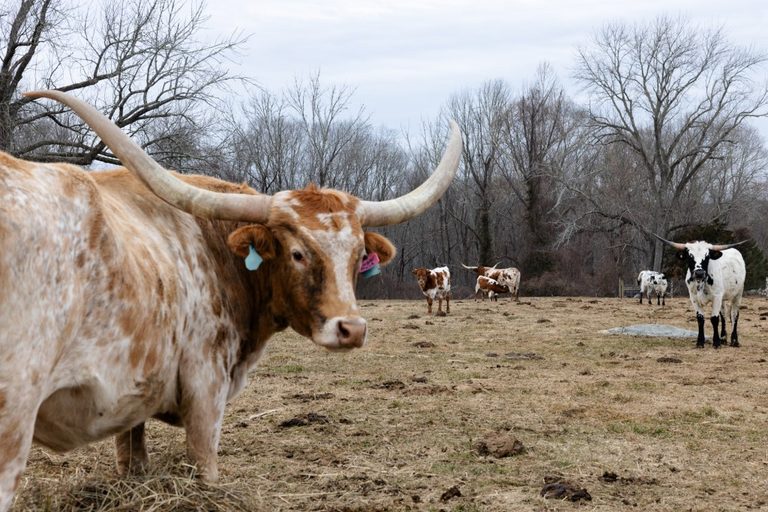
Kim Grijalva, a cattle farmer from North Stonington who was vocal about the failed revaluation, described the state’s response as a “come‑to‑Jesus moment,” adding that officials now understand “farmers are watching, they’re listening, and we don’t want to go there again.”
Norwich Assessor Bill Lee, representing the Association of Assessing Officers, expressed hope that the publicity surrounding the failed revaluation will spark renewed interest in accurate data collection, emphasizing the need for farmers to return surveys promptly and accurately.
What This Means for Connecticut Farmers
If enacted, the recommendations will give farmers a clearer, more reliable tax outlook and protect agricultural land from being over‑valued due to data gaps. By updating the classification system to reflect modern land uses—such as annual crops, orchards, woodlands, and pasture—the state aims to align tax assessments with actual farming practices.
Stakeholders across the agricultural community are watching the upcoming legislative session closely, recognizing that stable, data‑driven tax policy is essential for preserving Connecticut’s farming heritage.
Original reporting: The Connecticut Mirror — read the source article.