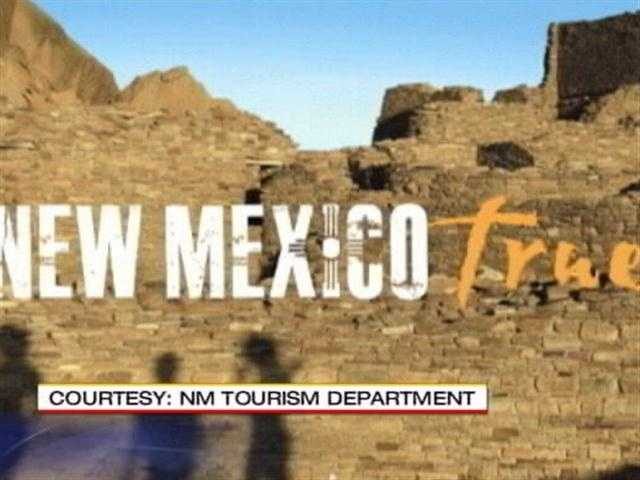
The New Mexico Tourism Department has taken a decisive step to protect the authenticity of the state’s travel marketing. In a statement released this week, the agency said it will not employ generative artificial intelligence in any of its advertising campaigns.
“Keep it True” pledge invites industry participation
To reinforce the commitment, the department unveiled a voluntary pledge called “Keep it True.” The pledge asks tourism‑related businesses and organizations to promise that the subjects, landscapes, and experiences featured in their promotional content are genuine and not fabricated by AI tools.
Since its debut in July, dozens of entities have signed on, including Visit Gallup, Visit Las Cruces, Tourism Santa Fe, Visit Alamogordo, Los Alamos County and several other regional partners. By publicly committing to the pledge, these groups signal to travelers that the images they see represent the real New Mexico they will encounter.
Why the ban matters to travelers and locals
Recent research from Gallup shows that nearly half of Americans (49%) react somewhat or very negatively when they learn a business used AI to create advertisements, while only 19% respond positively. The data suggests a strong public preference for genuine visual storytelling, especially when it comes to travel decisions that involve personal and family experiences.
For families seeking trustworthy information about vacation destinations, authentic imagery helps them plan trips that align with their values and expectations. The tourism industry, a vital part of New Mexico’s economy, benefits when visitors feel confident that the promotional material reflects the true character of the state’s landscapes, cultural sites, and hospitality.
Other states taking similar steps
The New Mexico initiative mirrors a parallel effort by the Tennessee Department of Tourist Development, which launched the “Yeah, It’s Real” campaign earlier this summer. Tennessee’s program also promises to avoid AI‑generated content and includes an authenticity label that verifies image metadata, ensuring that the visuals used in its marketing are genuine.
Both states are responding to a growing concern that AI‑generated images could mislead travelers, erode trust in tourism branding, and ultimately harm local businesses that rely on honest representation.
How businesses can join the pledge
Tourism operators interested in the “Keep it True” pledge can sign up through the department’s website. The online form provides a simple agreement and resources on best practices for authentic photography, video, and copywriting. By participating, businesses gain a badge they can display on their websites and social media, signaling to potential visitors that their marketing is trustworthy.
State officials encourage all tourism‑related entities—hotels, restaurants, tour operators, and cultural attractions—to adopt the pledge. The department plans to monitor compliance and may consider additional measures, such as spot‑checks of promotional material, to ensure the integrity of the state’s brand.
Looking ahead
As AI technology becomes more accessible, the tourism sector will likely face continued pressure to balance innovation with authenticity. New Mexico’s proactive stance sets a precedent for other states seeking to protect the credibility of their travel marketing while supporting local economies.
Travelers who value genuine experiences can now look for the “Keep it True” badge as a sign that the images they see truly reflect the beauty and culture of New Mexico.
Original reporting: KOAT Albuquerque — read the source article.