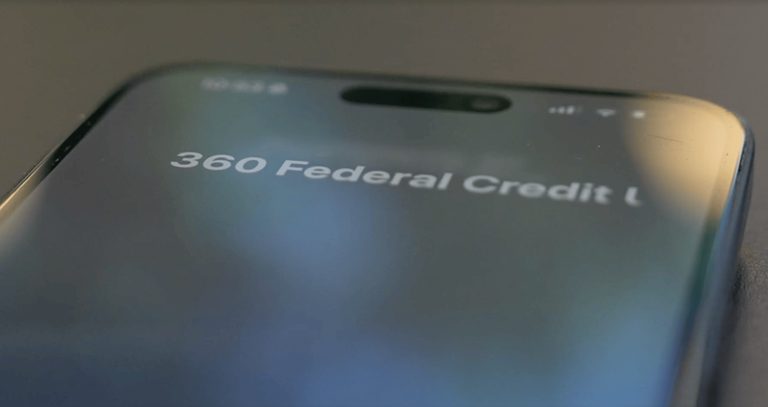
A 45‑year‑old woman from Windsor, Connecticut, says she was tricked into sending over $7,000 to an unknown account after a fraudster called her claiming to be from the fraud department of 360 Federal Credit Union. The imposter used a spoofed caller ID that displayed the credit union’s legitimate phone number, making the request appear authentic.
How the scam unfolded
The woman, who asked to remain anonymous, explained that the caller warned her that her banking information had been compromised and that immediate action was required to secure her accounts. He said he needed her to transfer the funds through Apple Cash, a peer‑to‑peer payment service offered by Apple and Green Dot Bank.
“My caller ID showed 360 Federal Credit Union,” she recalled. “The gentleman said he was from the fraud department and that my bank was not a big bank, so his call seemed like someone trying to help.”
Over a weekend in August, she followed the instructions and sent more than $7,000 to an unfamiliar Apple Cash account. By the following Monday, her balance was negative and she realized the money was gone.
Credit union response
360 Federal Credit Union told NBC Connecticut Responds that it takes “the security of our members and their financial information very seriously.” The credit union said it found no evidence that the transaction resulted from a breach of its systems and affirmed that its own security measures remain intact.
Expert analysis
Steven Weisman, editor of Scamicide.com, explained that scammers can manipulate caller ID information to make a call appear to come from a trusted business, government agency, or other organization. “Any unsophisticated scammer can do this,” he said. He added that callers can hide the number they are actually using, making it appear as any number they choose.
Weisman warned that fraudsters are increasingly leveraging artificial intelligence to sound more convincing and are taking advantage of the ease of transferring money through peer‑to‑peer payment services. “These payment systems have got to be more proactive in seeing that they’re not being abused,” he said.
Federal Trade Commission data
The Federal Trade Commission reported that victims lost $3.5 billion to imposter scams in 2025, a 300 percent increase since 2020. The surge underscores the growing sophistication of fraudsters and the need for heightened consumer awareness.
What consumers can do
Both Green Dot Bank, which provides Apple Cash services, and 360 Federal Credit Union advise customers never to share bank account information, passwords, PINs, verification codes, or other sensitive data in response to unsolicited calls, texts, or emails.
Weisman emphasized that victims should not bear the entire burden of fraud. “Anybody can be a victim of a scam. What we need to do is look to where the money is and who’s holding that money and hold them to be able to protect the customers,” he said.
Consumers are urged to avoid relying solely on caller ID to verify a call’s legitimacy. Before sharing sensitive information or transferring money, they should hang up, independently locate the organization’s official phone number, and call back to confirm the request.
Steps taken after the loss
The victim contacted Apple and Green Dot Bank in an effort to recover her funds, but was unsuccessful. Green Dot Bank declined to share details about the specific account or circumstances, noting that it does not disclose individual customer information. The bank does, however, use real‑time fraud warnings designed to help customers recognize common scams.
When the woman saw a warning message during the payment, the fraudster reassured her that the alert was expected and that “we’re locking everything down.” This manipulation highlights how scammers exploit legitimate security features to gain trust.
Protecting yourself
Experts recommend a simple, extra step: pause before acting on any unsolicited request for money. Hang up, verify the caller’s identity through an official channel, and never send funds to an unknown account, even if the request appears to come from a trusted institution.
By staying vigilant and using the tools provided by banks and payment platforms, Connecticut residents can help curb the rising tide of imposter scams and keep their hard‑earned savings safe.
Original reporting: NBC Connecticut — read the source article.