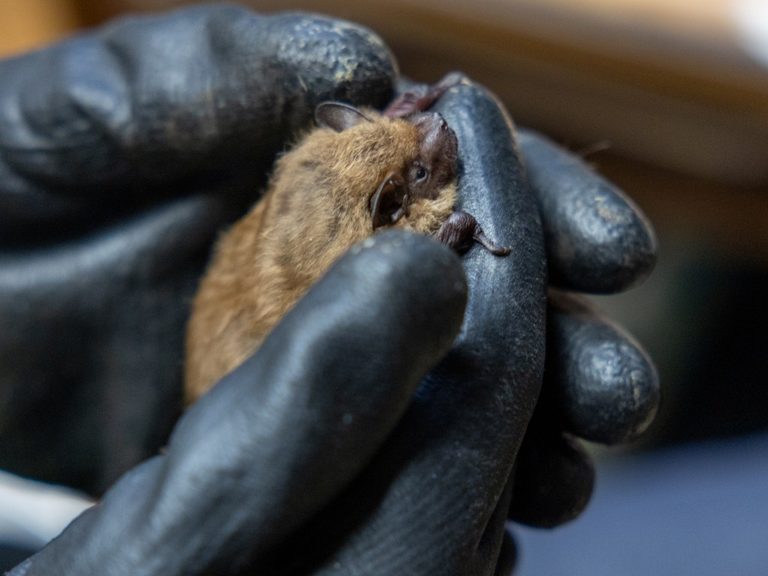
When a big brown bat becomes trapped in a glue‑sticky pest trap, Connecticut volunteer Maureen Heidtmann is often the first call for help. She carefully frees the tiny creature with mineral oil and a tongue depressor, then nurses it back to health in her home, where she can care for up to 40 bats at a time.
Volunteer network and state licensing
Heidtmann is one of 57 volunteers licensed by the Connecticut Department of Energy and Environmental Protection (DEEP) to rehabilitate wildlife. When a resident reports an injured animal, DEEP refers the case to a licensed rehabilitator who provides care until the animal can be released. These volunteers also educate the public on safe wildlife interactions and run outreach programs about the state’s endangered species.
All of this work is done without compensation. Volunteers often spend their own money—Heidtmann estimates her out‑of‑pocket costs at about $2,000 each year, while fellow rehabilitator Angelina Carnevale expects to spend roughly $4,000 this year.
Personal stories of rescue
Heidtmann’s love of bats began at age five, when a bat flew into her family’s Brooklyn apartment. Despite her mother’s fears that the bat might bite or suck blood, Heidtmann watched it navigate the room with remarkable skill. That early encounter sparked a lifelong passion that led her to study biology, become a librarian, and eventually devote 25 years to bat rehabilitation.
Carnevale, who cares for native turtles in North Branford, discovered the need for wildlife rehab after finding an injured turtle and learning that no local services existed. She later learned that rehabilitators receive no pay and must cover all expenses themselves.
Legislative effort to support volunteers
Senator Paul Cicarella (R‑North Haven) witnessed a rescued turtle firsthand and was impressed by the rapid response of rehabilitator Carnevale. In response, he introduced Senate Bill 456, which would allocate $500,000 in grants to DEEP‑licensed wildlife‑rehab nonprofits.
The bill cleared the environment committee unanimously but was not taken up by the full Senate. Cicarella noted that bills often require multiple introductions before passage and expressed disappointment that the funding did not appear in the final budget. He remains hopeful that the measure will be reconsidered.
Carnevale hopes future language will broaden eligibility, noting that many rehabilitators are not 501(c)(3) nonprofits and face paperwork hurdles before qualifying for grant assistance.
Why bats matter
Connecticut is home to nine bat species, which play a crucial role in controlling night‑flying insects such as moths, ash‑borer beetles, and spotted lanternflies, according to DEEP mammal biologist Devaughn Fraser. Five of the state’s bat species are listed as endangered, with white‑nose syndrome causing severe declines.
Although bats can carry rabies, the disease is rare. Heidtmann has encountered only three rabies cases in 25 years, and studies show less than 1% of wild bats test positive. When a bat is found indoors, DEEP advises opening a window or using a cardboard box and thick gloves to safely release the animal.
Community impact
These volunteers embody a labor of love that safeguards Connecticut’s natural heritage while educating residents about wildlife. Their dedication underscores the importance of public‑policy support for nonprofit conservation efforts.
Original reporting: The Connecticut Mirror — read the source article.