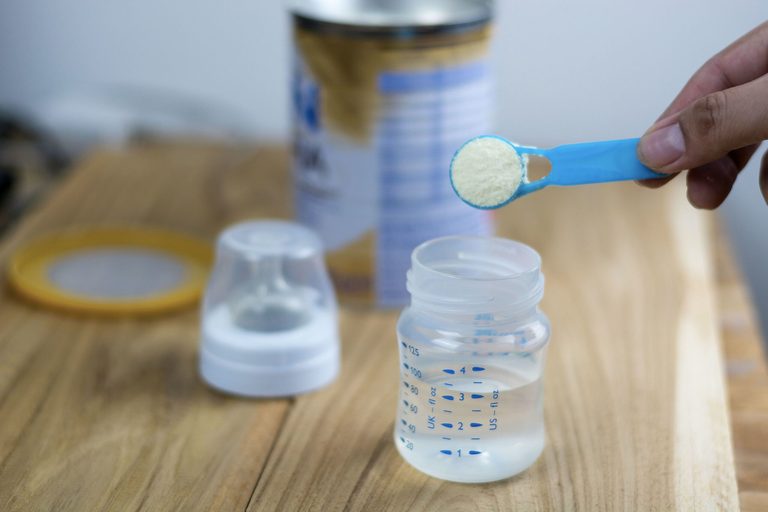
The U.S. Food and Drug Administration released a proposal to tighten nutrient requirements for infant formula, marking the first comprehensive review in nearly three decades. Acting FDA Director Kyle Diamantas said the effort is part of President Trump’s Operation Stork Speed initiative, launched in March 2025 to safeguard the health of America’s youngest citizens.
First phase focuses on four nutrients
The initial phase of the review will adjust the required levels of iodine, manganese, vitamin A and vitamin D in all infant formulas sold in the United States. Dr. Steven Abrams, a pediatrician at the University of Texas Dell Medical School, praised the move as “really well done” and “very well thought‑out,” noting that the current vitamin D content falls slightly below the recommended amount for infants.
Potential health and cost benefits
Increasing vitamin D could reduce cases of late‑onset hypocalcemia, a condition of low blood calcium that can lead to costly medical treatment. The FDA’s analysis estimates that the change could save roughly $81 million each year in health‑care expenses.
Long‑term plan and public input
Operation Stork Speed envisions a multi‑phase overhaul. After the first four nutrients, the agency plans to address an additional 12 nutrients within the next year and a final batch of 10 thereafter. While the timeline means parents may not see new formulas on store shelves for several years, the administration emphasizes that the rigorous scientific standards will ultimately protect babies across the nation.
Diamantas invited comments from clinicians, scientists, industry representatives and the public on optional nutrients such as long‑chain fatty acids (ARA and DHA) and L‑carnitine, which are already common in many formulas and have shown promise for neurodevelopment.
Administration’s commitment to transparency
U.S. Health and Human Services Secretary Robert F. Kennedy Jr. highlighted the administration’s dedication to parental confidence, stating, “Parents deserve confidence in every bottle they feed their baby.” He added that under President Trump’s Make America Healthy Again agenda, the government will test formulas for contaminants and make results directly available to families.
Next steps
The FDA’s nutrient review will undergo peer review as required by law before any final rule is issued. Ongoing testing for chemical contaminants in infant formula continues to produce reassuring results, according to Diamantas.
Stakeholders are encouraged to submit feedback during the public comment period, ensuring that the final standards reflect the best available science and the needs of American families.
Original reporting: El Paso News (HLL/CB) — read the source article.