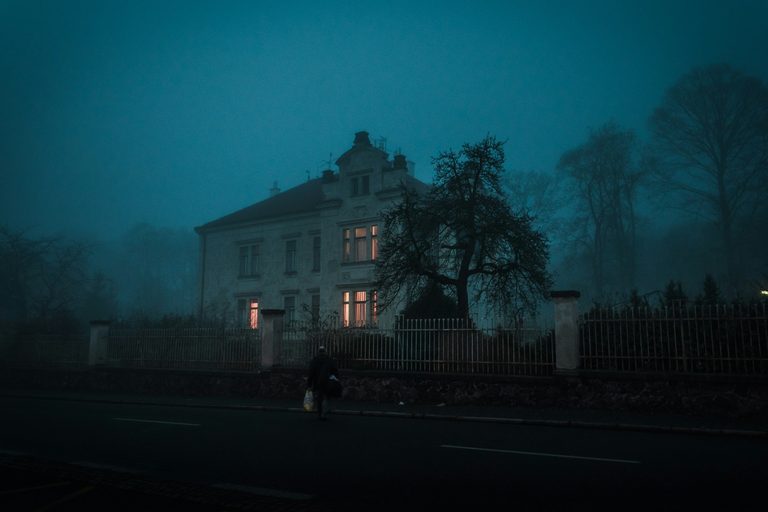
As Halloween approaches, Alabama’s rich history offers more than antebellum architecture and Southern hospitality – it also provides a handful of storied homes that locals say are still visited by former residents. Below is a concise guide to seven historic properties across the state that have become part of local folklore.
1. Drish House – Tuscaloosa
Built in the 1830s by physician John R. Drish, the Greek‑Revival home is perhaps the state’s most famous haunted location. Legend holds that after Drish’s death in 1867, his wife Sarah became fascinated with the candles used at his funeral and hoped the same candles would be used at hers. When she died in 1884, the candles vanished, and visitors began reporting mysterious lights in the third‑story tower, as well as slamming doors and children’s laughter when no one else is present. The story was popularized in Kathryn Tucker Windham’s classic collection 13 Alabama Ghosts and Jeffrey.
2. Gorgas House – Tuscaloosa
Located on the University of Alabama campus, the 1829 Gorgas House served many purposes before becoming associated with Amelia Gayle Gorgas, known as the “mother of the University.” Museum staff and visitors have described sightings of a woman in a green dress, the sound of footsteps on the stairs, and an un‑wound music box that seems to play on its own. The university now includes these tales in its special haunted‑tour program.
3. Spring Villa Mansion – Opelika
Also called the Penn Yonge House, this 1850s mansion sits within Spring Villa Park near Opelika. Local legend says owner William Penn Yonge was stabbed on the 13th step of the spiral staircase by an enslaved person who hid there. A dark reddish stain on that step has long been pointed to as evidence, though the city acknowledges the story cannot be verified. The step remains a focal point for visitors who enjoy the mystery.
4. Sturdivant Hall – Selma
Constructed in 1852, Sturdivant Hall later became the home of banker John Parkman. After Parkman was arrested for financial misconduct, he died while attempting to escape prison in 1867. Legend claims he vowed never to leave his home until his name was cleared, and some visitors report unexplained footsteps and sounds on the upper floor. The tale also appears in Windham’s ghost collection.
5. Gaines Ridge Dinner Club – Camden
Operating inside an antebellum home from the 1820s, Gaines Ridge offers both fine dining and a reputation for paranormal activity. Patrons have spoken of a tall, bearded man in black—believed to be former owner Ebenezer Hearn—as well as a floating woman, baby cries and the scent of pipe smoke in rooms where no one is smoking. The restaurant embraces the lore, inviting guests to “save a seat for the unexpected guests.”
6. Jemison‑Van de Graaff Mansion – Tuscaloosa
Built between 1859 and 1862 for Senator Robert Jemison Jr., this Italianate mansion now serves as a museum and event venue. Visitors report breezes, orbs, strange noises and shadows in windows. One legend involves a young girl who died in the house and is sometimes seen near the main staircase. The property also recalls Colonel Andrew Coleman Hargrove, who died there, adding to its layered history.
7. Richards‑DAR House – Mobile
Constructed in 1860 for Captain Charles G. Richards and his wife Caroline, the Richards‑DAR House is noted for its ironwork and elegant interiors. Reports from the museum’s Daughters of the American Revolution caretakers include children laughing on the staircase, a woman appearing in an upstairs window, a Victorian‑dressed man in the parlor, unexplained piano music, and moving marbles in a bedroom. The house now offers haunted tours during the Halloween season.
Whether you are a history enthusiast, a believer in the supernatural, or simply looking for a unique local experience, these homes provide a glimpse into Alabama’s past and the stories that continue to captivate residents each October.
Original reporting: The Tuscaloosa Thread — read the source article.