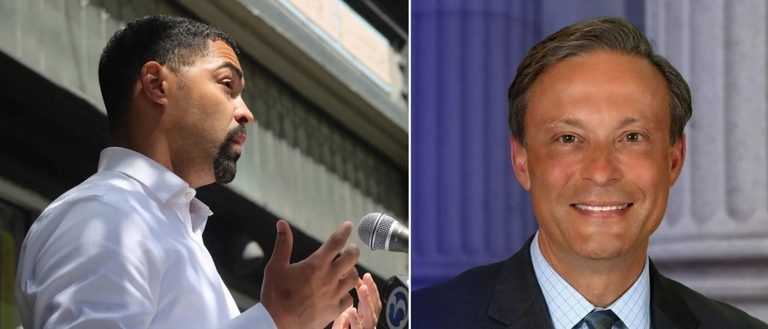
The Connecticut state treasurer race is highlighting a divide on ethical investing. Incumbent Treasurer Erick Russell, a Democrat, believes the treasurer’s office should consider a company’s record on climate change and labor rights when making investments. His Republican challenger, Fred Wilms, disagrees, arguing that the treasurer’s key responsibility is to invest funds in a way that provides a secure retirement future for pensioners.
Investment Strategies
Russell has launched several initiatives since taking office in 2023, including a Baby Bonds program and a Safe Harbor Fund for people seeking reproductive or gender-affirming care in the state. He has also added billions to the state’s pension assets, with the fund achieving three years of double-digit returns. Russell attributes the performance to a combination of the stock market’s outstanding returns and structural changes to the fund, including growing the investment team and changing the asset allocation.
Wilms, on the other hand, is skeptical of coupling Environmental, Social, and Governance (ESG) goals with long-term performance. He believes that considering ESG factors could lead to underperforming investments and argues that the treasurer’s office should focus on providing a secure retirement future for pensioners.
The disagreement between Russell and Wilms reflects a nationwide debate over ESG. The Biden administration has allowed pension fiduciaries to consider ESG factors when choosing between equally compelling investments, but the Trump administration is threatening to roll back that initiative. Connecticut statute currently empowers the state treasurer to consider ESG.
Russell argues that considering ESG factors is not about putting money into funds that are all about investing in good things, but rather about driving strong returns on long-term investments. He cites the example of American Pacific, a manufacturing company that was running 12 coal plants across the country. Russell says the treasurer’s office convinced the company to shut down the plants and retrain their coal workers for other jobs.
Wilms disagrees with Russell’s analysis, arguing that the decision to shut down the coal plants was based on financial grounds alone, as the coal industry is being downsized in the US.
Original reporting: New Haven Independent — read the source article.